

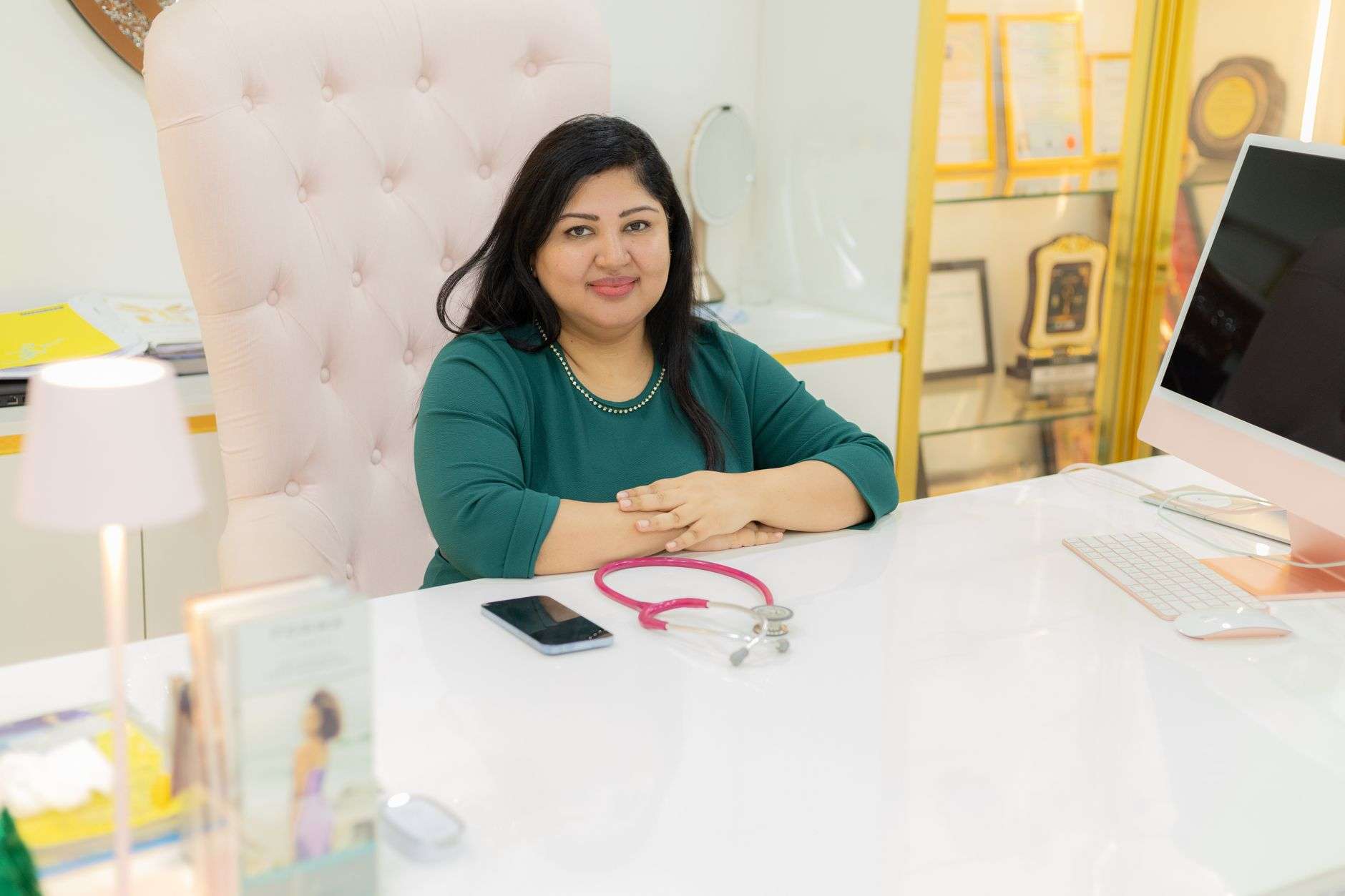
A Mobile healthcare administrator is about to take on a national leadership role in the field of surgical education. Tyronda Rogers, who oversees the general surgery residency and surgical critical care fellowship programs at USA Health/University of South Alabama, has been elected president-elect of the Association of Residency Administrators in Surgery (ARAS), a national organization that supports the professionals who keep surgical training programs running smoothly across the country.
Rogers will officially step into the presidency in April 2027, succeeding current ARAS President Dana Cooley, who administers the General Surgery Residency program at Detroit Medical Center/Wayne State University. The transition reflects the kind of steady, behind-the-scenes leadership pipeline that keeps national medical education organizations functioning even as their volunteer leadership changes from year to year.
The election places a Mobile-based professional at the head of a national conversation about how surgical training is organized, accredited and supported — work that rarely generates headlines but directly shapes the pipeline of surgeons serving communities from the Gulf Coast to the Great Lakes.
A Familiar Face Within ARAS
Rogers is not new to ARAS leadership. Before being elected president-elect, she served as program chair for the organization’s Executive Committee, giving her hands-on experience with the group’s governance and priorities. That progression — from committee leadership to officer roles to the presidency itself — is the standard path through volunteer medical education organizations, and it ensures the person who ultimately takes the gavel arrives with years of institutional knowledge.
ARAS functions as an educational resource, a support network, and a communication hub for the coordinators and managers who administer surgical residency and fellowship programs nationwide. The organization’s role has become increasingly important as academic medical centers navigate growing regulatory requirements, accreditation standards, and workforce demands in graduate medical education.
For the coordinators and administrators who make up much of the organization’s membership, ARAS provides a forum to share best practices, troubleshoot common challenges, and stay current on the accreditation standards set by bodies such as the Accreditation Council for Graduate Medical Education. The ACGME sets the national requirements that every accredited residency and fellowship must meet, and program administrators are the people who translate those requirements into daily operations — duty-hour documentation, evaluation systems, curriculum records and the site visits that determine whether a program keeps its accreditation.
Rogers’ move into the presidency puts a Mobile-based healthcare professional at the head of that national conversation.
A Career Rooted in Surgical Education at USA Health
Rogers joined USA Health in April 2017 and has spent nearly a decade helping manage the training pipeline that produces the region’s next generation of surgeons. As administrator for the general surgery residency and surgical critical care fellowship programs, she handles the complex logistical and regulatory work that underpins physician training, including scheduling, accreditation compliance, resident support, and coordination between faculty, hospital departments, and national oversight bodies.
The job is part scheduler, part compliance officer, part counselor and part diplomat. A single residency program can involve dozens of residents rotating through operating rooms, intensive care units and clinics, each of whom must log cases, receive evaluations, meet milestones and remain on track for board eligibility. When the machinery works, patients simply experience well-trained surgeons; when it fails, the consequences reach accreditation status and, ultimately, a community’s access to surgical care.
That work often goes unnoticed outside academic medical circles, but it plays a direct role in the quality of care available to patients across the Gulf Coast. USA Health, the academic health system tied to the University of South Alabama, trains resident physicians who go on to practice throughout Mobile, Baldwin County, and the broader South Alabama region, meaning strong residency administration has a ripple effect on local healthcare access for years to come.
General surgery residencies in particular serve as the backbone of surgical coverage for surrounding communities. Surgeons trained in Mobile fan out to hospitals across the region, and the strength of their preparation depends in large part on the administrative scaffolding that keeps their education organized and compliant. Fellowship training in surgical critical care adds another layer, preparing intensivists who manage the region’s most fragile patients in trauma and intensive care settings.
What the Role Means for the Region
Rogers’ election to a national leadership post is a notable recognition both for her individually and for USA Health’s graduate medical education programs. National organizations like ARAS often look to experienced program administrators from respected academic medical centers to guide their strategic direction, and having a South Alabama representative in that seat can raise the visibility of the region’s medical training programs among peer institutions across the country.
Visibility matters in graduate medical education. When program leaders from a health system hold national positions, that system’s programs become better known to applicants, to peer institutions and to the accrediting bodies that evaluate them. For Mobile, which competes with larger Southeastern academic centers for both residents and faculty, that kind of professional recognition is a tangible asset.
It also comes at a moment when hospital systems nationwide, including in Alabama, continue to grapple with physician workforce shortages, particularly in surgical specialties. Rural hospitals across the state have struggled for years to recruit and retain surgeons, and the shortage has direct consequences for patients who must otherwise travel long distances for operations and emergency surgical care.
Well-run residency and fellowship programs are widely viewed as one of the most effective tools for addressing those shortages, since many resident physicians choose to stay and practice in or near the communities where they trained. Studies of graduate medical education consistently find that geography of training shapes geography of practice: a resident who spends five years operating in Mobile builds professional relationships, community ties and often a family life that anchors them to the region.
Strong administrative leadership, the kind Rogers has built her career around, helps ensure those programs remain accredited, well-organized, and attractive to prospective residents. Recruitment is competitive at every level of surgical training, and applicants weigh program culture, support systems and organization alongside clinical volume when choosing where to spend five or more years of their lives.
Looking Ahead to April 2027
Rogers will begin her term as ARAS president in April 2027, taking over from Cooley at that time. Until then, she is expected to continue serving in her current capacity at USA Health while preparing to step into the organization’s top leadership role.
The interim period as president-elect is when national organizations hand off their strategic agenda. The incoming president typically inherits the priorities established by predecessors while adding her own — and administrators in her position have spoken for years about the mounting regulatory load on graduate medical education, the pressures on program budgets, and the need to support the coordinators whose workloads have grown alongside the requirements.
For USA Health, the election is a credential for its surgical education enterprise: its residency administration is now represented at the national table where training standards and best practices are shaped. For Rogers, it is the culmination of a career spent in a discipline where success is measured not by personal recognition but by the smooth operation of programs that train the people who operate on patients.
And for Mobile’s medical community, the significance runs in the other direction too — a national organization that represents program administrators from coast to coast will spend the next several years led by someone whose daily work is rooted in Gulf Coast healthcare, bringing the region’s perspective on workforce, training and access into rooms where national decisions get made.
Her path through the organization illustrates how these groups cultivate leadership. Program chairs spend their terms designing the educational content that draws members to meetings, which means building relationships across institutions and learning where the profession’s pain points are concentrated. By the time such a leader reaches the presidency, the network of contacts and the command of the group’s internal workings are already in place, reducing the disruption of the annual handoff.
Rogers’ election also arrives as the administrative side of graduate medical education grows more demanding. Accreditation requirements expand, reporting systems change, and the coordinators ARAS represents absorb that workload in programs of every size. An organization led by someone who manages those pressures every day at a health system like USA Health brings a practical vantage point to the group’s advocacy — one grounded in the realities of running programs rather than in policy alone.
For the surgical training programs under her daily supervision at USA Health, the election changes little in the short term — the residency and fellowship she administers continue on their accreditation and recruitment schedules. But it gives Mobile’s academic medical community a seat at the national table for years to come, first through the president-elect’s term and then through the presidency itself, with all the relationships and visibility that follow.