

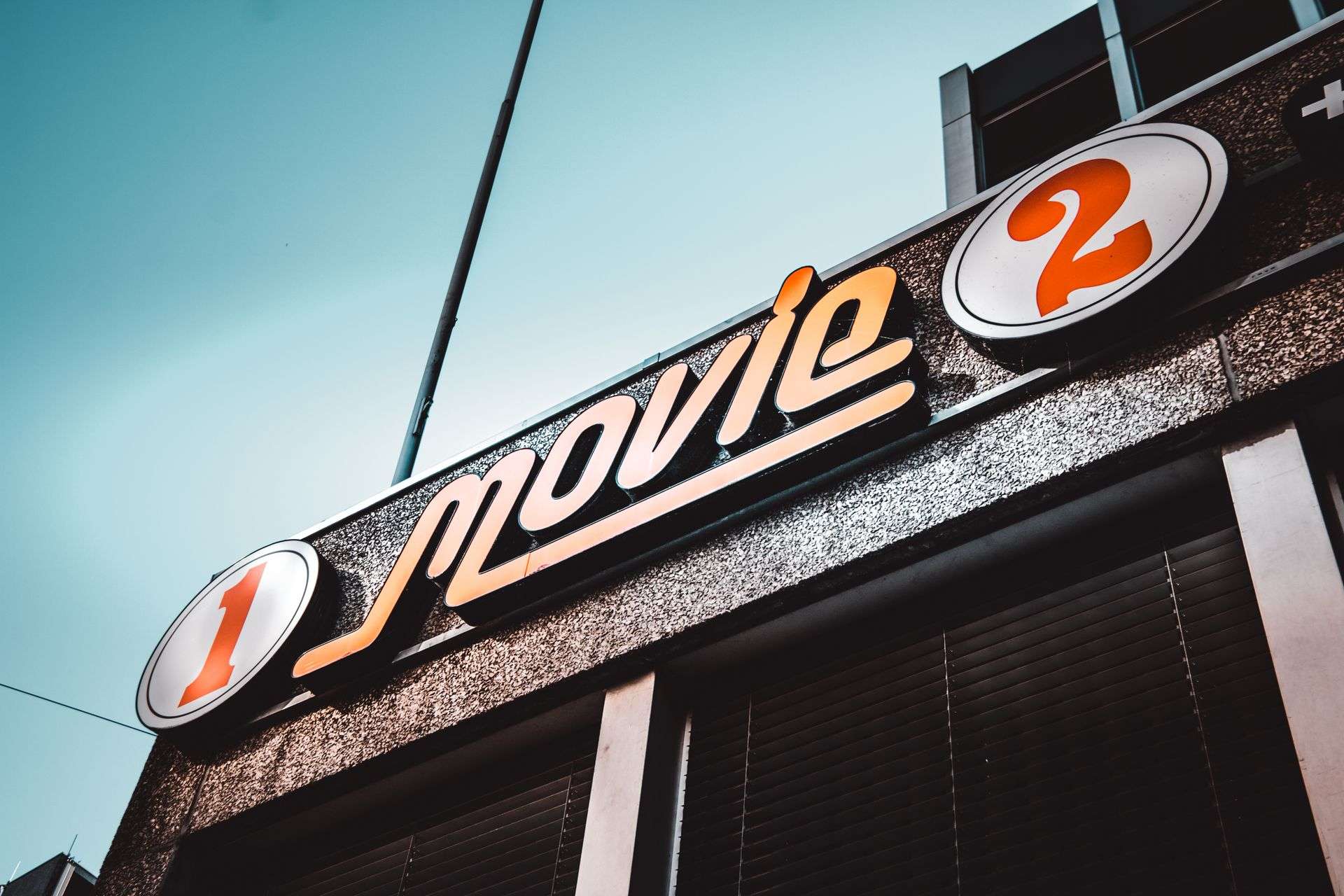
Moviegoers in downtown Mobile have a new reason to plan their weekends around the Crescent Theater. Beginning this week, the historic single-screen cinema on Dauphin Street will offer 2 p.m. matinee showtimes on Saturdays and Sundays, with the George Clooney comedy-drama "Up in the Air" serving as the first film to run under the new schedule. Weekend matinee tickets will be priced at $8. The addition of a standing matinee slot is a small change on paper, but for a theater that has built its identity around bringing first-run and independent film to downtown Mobile, it represents another step toward becoming a fixture of the neighborhood's weekend routine rather than just an evening destination.
A Dauphin Street Landmark With Deep Roots The building at 208 Dauphin Street has been part of Mobile's entertainment scene for more than a century. It first opened in 1885 as a venue for vaudeville and burlesque acts, the kind of traveling stage shows that were the dominant form of popular entertainment in Southern cities before the rise of motion pictures. By 1912, as silent films swept the country and converted theaters were popping up in nearly every downtown business district, the Dauphin Street building was refitted to project movies, joining the wave of nickelodeons and picture houses that transformed how Americans spent their leisure time in the early twentieth century. Like many historic downtown theaters across the country, the space did not remain a cinema continuously.
Over the decades it cycled through other uses, including stretches as a restaurant, before sitting largely dormant as downtown Mobile's retail and entertainment core thinned out in the latter half of the twentieth century amid suburban growth and shifting shopping patterns. The building's revival as the Crescent Theater came in late October 2008, when Mobile native Max Morey reopened it as a movie house once again, betting that a walkable, historic theater could find an audience even in an era of multiplex megaplexes ringing the suburbs. That bet has largely paid off by pairing a business model that larger chains tend to avoid: a focus on independent, art-house, and limited-release films that don't always make it to standard multiplex screens, alongside occasional mainstream titles with strong word of mouth.
The approach has given Mobile film fans access to a broader slate of cinema than the city's suburban theaters typically carry, while also giving the theater a niche that helps it compete without having to match the raw screen count of larger operators. Why Weekend Matinees Matter for a Single-Screen Theater Matinee pricing has long been one of the movie industry's most effective tools for filling seats during slower parts of the week. Discounted daytime showtimes, typically scheduled before an early evening cutoff, are designed to appeal to moviegoers with more flexible schedules, families with young children, retirees, and shift workers, while still preserving full ticket prices for the evening showings when demand is naturally highest.
For a single-screen operation like the Crescent, where there is no second or third auditorium to fall back on if an evening show underperforms, a well-attended matinee can make a meaningful difference in a weekend's overall box office. The $8 matinee price point undercuts a typical full-price evening ticket, a discount structure mirrored at theaters nationwide. Since single-screen and independent theaters generally operate on tighter margins than multiplex chains, and can't offset a slow week with revenue from a dozen auditoriums, incremental steps like adding a formal matinee slot are often a low-risk way to test additional demand without the overhead of adding screens or extending operating hours across the board.
Background and Context
Saturday and Sunday matinees in particular tend to draw a mix of moviegoers who prefer to avoid nighttime driving or parking downtown, parents looking for an activity to fill an afternoon with children during the school break, and residents who simply prefer an earlier showtime. For a theater situated in the heart of downtown Mobile, where parking and evening foot traffic can vary depending on what else is happening in the surrounding entertainment district on a given night, an afternoon slot offers a lower-friction way for people to visit without needing to plan an entire evening out.
The Film Behind the First Matinee "Up in the Air," the film chosen to launch the Crescent's new matinee schedule, is a comedy-drama starring George Clooney as a corporate downsizing consultant who spends most of the year traveling the country firing employees on behalf of other companies, all while chasing a personal goal of racking up frequent-flyer miles. The film, based on the novel by Walter Kirn, was one of the more talked-about awards-season releases of December 2009, generating buzz for its blend of dark comedy and a plot line that resonated with audiences navigating a national economy still working through the aftermath of the 2008 financial crisis and the layoffs that followed it.
Programming a high-profile, awards-conversation film like "Up in the Air" for a new matinee slot is a natural choice for a theater trying to draw attention to a schedule change. Films generating industry buzz tend to bring in moviegoers who might not otherwise make a special trip downtown, giving a theater a built-in audience to introduce to a new showtime rather than relying purely on marketing. Downtown Mobile's Broader Entertainment Revival The Crescent's expanded schedule arrives amid a broader, years-long effort to bring more residents and visitors back into downtown Mobile after decades of suburban flight pulled shoppers, diners, and entertainment dollars away from the city's historic core.
Downtown revitalization efforts in Mobile, as in many mid-sized Southern cities, have leaned heavily on adaptive reuse of historic buildings, converting former retail spaces, warehouses, and theaters into restaurants, bars, galleries, and entertainment venues that give people a reason to spend an evening, or now an afternoon, downtown rather than exclusively at suburban shopping centers and multiplexes. Historic theaters occupy a particularly important place in that kind of revitalization strategy. Beyond their function as entertainment venues, buildings like the Crescent serve as visible, tangible reminders of a downtown's earlier vitality, and their restoration is often cited by local boosters and preservationists as evidence that a historic commercial district can support modern business again.
Cities across the South and the broader country have seen similar single-screen and independent theaters reopen in past decades as anchor tenants for downtown entertainment districts, frequently pairing film programming with live music, comedy, or community events to diversify revenue and draw repeat visitors throughout the week, not just on Friday and Saturday nights. For Mobile specifically, a functioning, well-attended movie theater on Dauphin Street adds to a critical mass of dining and nightlife options that has slowly been building in the years since the Crescent's 2008 reopening.
Background and Context
Local officials and downtown business advocates in Mobile and similar Gulf Coast cities have generally pointed to this kind of incremental growth, one new restaurant, one reopened storefront, one expanded schedule at a time, as the realistic path toward a fully revitalized urban core, rather than any single large development carrying the weight on its own. What Moviegoers Can Expect With the new schedule now in place, Mobile-area residents looking to catch a film on a Saturday or Sunday afternoon have a downtown option that didn't formally exist before this week.
The $8 matinee price offers a modest discount for those willing to catch a film earlier in the day, and starting the new slot with a widely discussed new release gives the theater a strong hook to draw in moviegoers who might be curious about the schedule change. As with any single-screen operation, the theater's matinee offerings will likely shift week to week based on what new releases and returning titles are available for it to book, a common constraint for independent theaters that don't always have the same access to first-run prints as large chains tied directly to studio distribution deals.
Moviegoers interested in the weekend matinee schedule are encouraged to check the Crescent Theater's current listings before planning a visit, since showtimes and featured films at independent theaters can change based on distributor availability and local demand. For now, the message from downtown Mobile's historic movie house is a simple one: there's a new, more affordable way to catch a film on the weekend, right in the heart of the city's entertainment district.
Wider Significance for Coastal Alabama
This story is part of a broader set of changes playing out across Mobile, Baldwin and the wider Gulf Coast region. Local residents, businesses and government agencies have been watching developments like this one closely, because decisions made in Mobile and Baldwin counties often ripple outward into neighboring communities across south Alabama, Mississippi and the Florida Panhandle. Public meetings, council work sessions and state legislative hearings have all carried echoes of the underlying concerns, with stakeholders ranging from neighborhood associations to industry groups weighing in on what the outcomes will mean for daily life along the Gulf Coast. Reporters and editors in the region have worked to document how these issues affect ordinary people, from commuters on Interstate 10 to families visiting the public libraries and parks that anchor so many of the Port City’s neighborhoods. The deeper context often emerges over months rather than days, as projects move from announcement to planning to construction, and as the people most directly affected find their voices in the public record. Continued coverage remains important, both for accountability and for the historical record, and the unfolding situation is one that warrants attention from anyone with a stake in the future of south Alabama.
Looking ahead, observers across the region expect the conversation to continue evolving. Local officials have signaled their intent to monitor outcomes closely, and community organizations have indicated they will remain engaged as new information becomes available. The intersection of state policy, local implementation and on-the-ground impact is precisely where stories like this one tend to develop their lasting significance. For Mobile and Baldwin residents, the practical effects will play out over time, in everything from tax bills and utility rates to traffic patterns and the availability of public services. Following the developments requires patience and attention to detail, but it is also a reminder of how civic life in coastal Alabama continues to be shaped by decisions that begin far from the neighborhoods they ultimately touch. Residents who want to stay informed can do so by following local government meetings, attending public hearings when significant issues arise, and reading the regional reporting that tracks how these stories progress from one phase to the next.
Local news organizations continue to follow this story closely, and updates are expected as more details emerge. The developments have generated discussion across the region, with attention from both longtime residents and newcomers who are following the issue for the first time. Community leaders have emphasized the importance of staying engaged with local government and participating in public meetings when significant decisions are being made. As the situation continues to unfold, residents are encouraged to remain informed through reliable local reporting and official city and county communications channels. The story remains active, and additional information is anticipated in the coming days and weeks as the relevant agencies and stakeholders complete their work.