

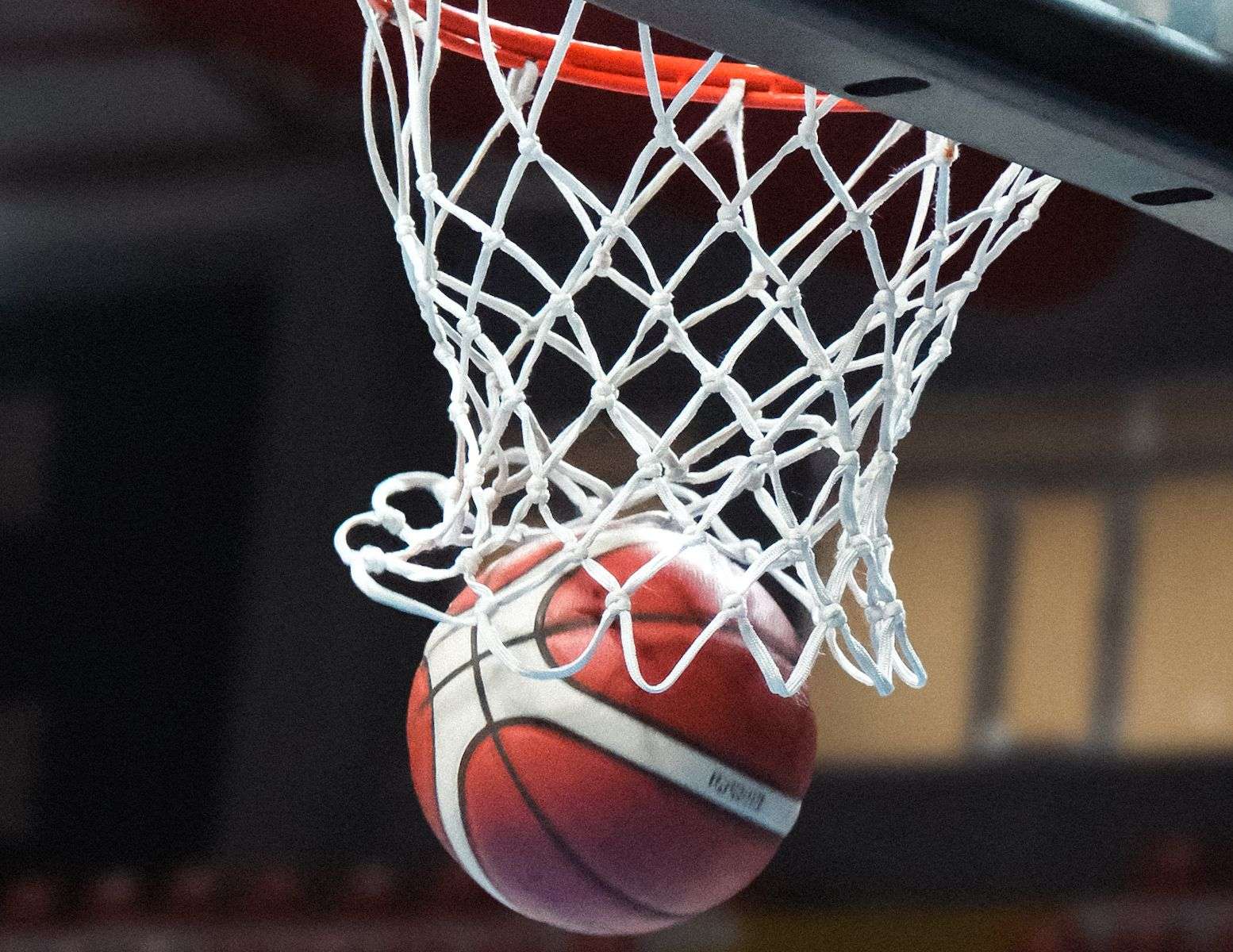
Mobile is set to get a new professional basketball team. The American Basketball Association has announced that the Mobile Bay Hurricanes will join the league for the season beginning in December, bringing an ABA franchise to the Port City and adding another chapter to the region’s long history of minor-league sports ventures.
The team will be owned by Global Music Group, a company founded by Mobile native Roland Turner, operating in partnership with Mike Wilson. According to the announcement, the ownership group intends to build the franchise around more than just basketball on the court. The pair said they plan to combine the games with a stronger entertainment component than fans typically see at minor-league basketball events, and they hope the model could eventually be adopted more broadly across the ABA.
A League Built on Local Ownership and Grassroots Growth
The American Basketball Association referenced in the announcement is not the same league that merged with the NBA in the 1970s, though it borrows the name and the red-white-and-blue ball associated with that earlier era. This modern ABA relaunched in the early 2000s as an independent, franchise-driven organization that has, at various points, counted teams in cities across the country, from small markets to mid-size metro areas. The league has long operated on a model that gives local owners wide latitude to build their franchises as they see fit, from ticket pricing to game-night promotions to, as in Mobile’s case, the overall entertainment package built around the games themselves.
That structure has made the ABA a common landing spot for local investors and entrepreneurs looking to bring professional or semi-professional basketball to their hometowns without the enormous capital outlay required by the NBA or its top-tier developmental leagues. Franchise fees and operating costs are typically far lower than in more established leagues, which has allowed the ABA to expand into markets that might otherwise never see a professional basketball team. It has also meant the league has seen significant turnover over the years, with franchises frequently relocating, rebranding or folding as local ownership groups test the viability of professional basketball in their communities.
Mobile’s History With Minor-League Basketball
Mobile is no stranger to attempts at establishing a lasting professional basketball presence. The city has seen other minor-league and independent basketball franchises come and go over the years, part of a broader pattern across small and mid-size Southern cities where minor-league baseball has traditionally enjoyed much deeper roots and more consistent fan support than basketball. Mobile’s baseball tradition, in particular, runs deep, with the city having been home to affiliated minor-league baseball for generations and having produced a number of players who went on to the major leagues. Basketball, by contrast, has had a harder time establishing the same kind of sustained following at the minor-league level in the region, which is part of what makes a new entrant like the Hurricanes notable.
Local ownership groups pursuing minor-league sports franchises in markets like Mobile typically cite a mix of civic pride, business opportunity and a desire to give area residents access to affordable, family-friendly entertainment as their motivations. Minor-league and independent sports franchises across the country have increasingly leaned into the idea that the product they are selling is not just a basketball game, but an entire night out, complete with promotions, contests, music and other in-arena entertainment designed to appeal to fans who might not otherwise follow the sport closely.
Combining Basketball and Entertainment
That appears to be the philosophy behind the Hurricanes’ ownership structure. With Global Music Group at the helm, the franchise’s backers have direct ties to the entertainment industry rather than a traditional sports-management background, a combination that could shape how the team approaches game presentation. The announcement indicated the owners hope to weave a stronger entertainment element into the basketball product than fans might typically expect, and that they see the approach as something that could serve as a model for other franchises within the league.
Pairing sports and entertainment programming is not a new concept nationally. Leagues and franchises at every level, from major professional sports down to independent and semi-professional circuits, have experimented for decades with halftime shows, in-game contests, live music and other attractions meant to extend a team’s appeal beyond die-hard sports fans. For a startup or relocating franchise trying to build a local following quickly, that kind of broader entertainment focus can be a way to draw in casual fans, families and younger audiences who might be drawn more by the overall atmosphere than by the competitive basketball itself.
What a New Season Typically Involves
For fans unfamiliar with how independent basketball leagues like the ABA typically operate, seasons are generally shorter than those of major professional leagues, often running from late fall or early winter into the spring, with games played at local arenas, civic centers or college facilities rather than purpose-built professional venues. Rosters are usually assembled from a mix of players with college basketball experience, some of whom have also spent time in other minor-league or overseas leagues, competing for a chance to be seen by scouts from higher-level leagues while continuing their playing careers.
New franchises typically spend the months leading up to their first season on a range of organizational work: finalizing arena arrangements, assembling a coaching staff, holding open tryouts or evaluating rosters of available players, and building out the marketing and promotional plans that will define the franchise’s identity in its home market. Season-ticket packages, sponsorship deals with local businesses and community outreach efforts are also typical priorities for a new ownership group trying to establish itself before the first tip-off.
Looking Ahead to December
With the season set to begin in December, the Hurricanes’ ownership group will have several months to build out the franchise before Mobile fans get their first look at the team in action. As with any new minor-league sports venture, the team’s long-term success will likely hinge on factors familiar to any independent franchise: consistent attendance, local sponsorship support, competitive play, and an ability to differentiate the game-night experience in a crowded sports and entertainment marketplace.
For now, the announcement gives Mobile basketball fans something new to follow as the calendar moves toward the winter sports season, and it gives Turner and Wilson a chance to test their entertainment-forward approach to professional basketball in their hometown.
The original American Basketball Association merged with the National Basketball Association in 1976, but the name was revived in 1999 by a separate, independent league that operates under a franchise model with far lower capital costs than the NBA. The modern ABA has expanded and contracted multiple times over its history, and has had franchises in cities across the United States.
Mobile has hosted a rotating cast of minor-league and semi-professional basketball franchises over the years, including stints in the American Basketball Association, the NBA Development League and various independent circuits. The city’s minor-league baseball tradition, anchored historically by affiliates of major-league organizations, has generally run deeper and lasted longer than its basketball counterpart.
Global Music Group, the Mobile-based entertainment company co-founding the Hurricanes franchise, has roots in the city’s music and live-event scene. Pairing basketball with a stronger entertainment package is a common strategy among independent-league franchises looking to differentiate themselves from competitors for fan attention and discretionary spending.
Independent basketball leagues typically play their seasons from late fall through early spring, often using college or municipal arenas as home venues. Rosters are commonly assembled from college graduates, international players and athletes looking for a chance to be seen by higher-level scouts. Season ticket packages, local sponsorship deals and community outreach programs are standard revenue and engagement strategies for new franchises.
Minor-league and independent basketball in the South has historically had to compete with college basketball, NBA preseason games and a deep-rooted football culture for fan attention and arena bookings. Franchises that have succeeded in the region have typically paired competitive play with strong local marketing, family-friendly ticket pricing and entertainment elements designed to appeal to casual fans. The Hurricanes’ ownership group has signaled that its approach will lean into the entertainment side.
The ABA’s franchise model allows local owners considerable latitude in setting ticket prices, scheduling promotional events and shaping the game-day experience. The structure has both advantages and disadvantages: it lets entrepreneurs tailor their product to local markets, but it also produces wide variation in quality and stability across the league. Mobile fans who attend the Hurricanes’ games will see a product shaped by local decisions rather than by league-wide standards.
The Mobile arena landscape has seen significant change, with the city’s entertainment offerings expanding alongside the broader downtown revitalization effort. New venues, expanded event programming and a growing population have made Mobile a more attractive market for touring acts. The Hurricanes’ December tip-off will be one of several new entertainment options debuting in Mobile, and the franchise’s entertainment-forward approach fits within that broader pattern of expansion.
The Hurricanes’ December opening will give the franchise’s ownership group the chance to gauge fan interest, refine the entertainment product and begin building the season-ticket base that any minor-league franchise depends on for steady revenue. Early-season results often shape the trajectory of a new franchise more than late-season ones do, because they set the tone for the marketing and community-engagement work that follows.