

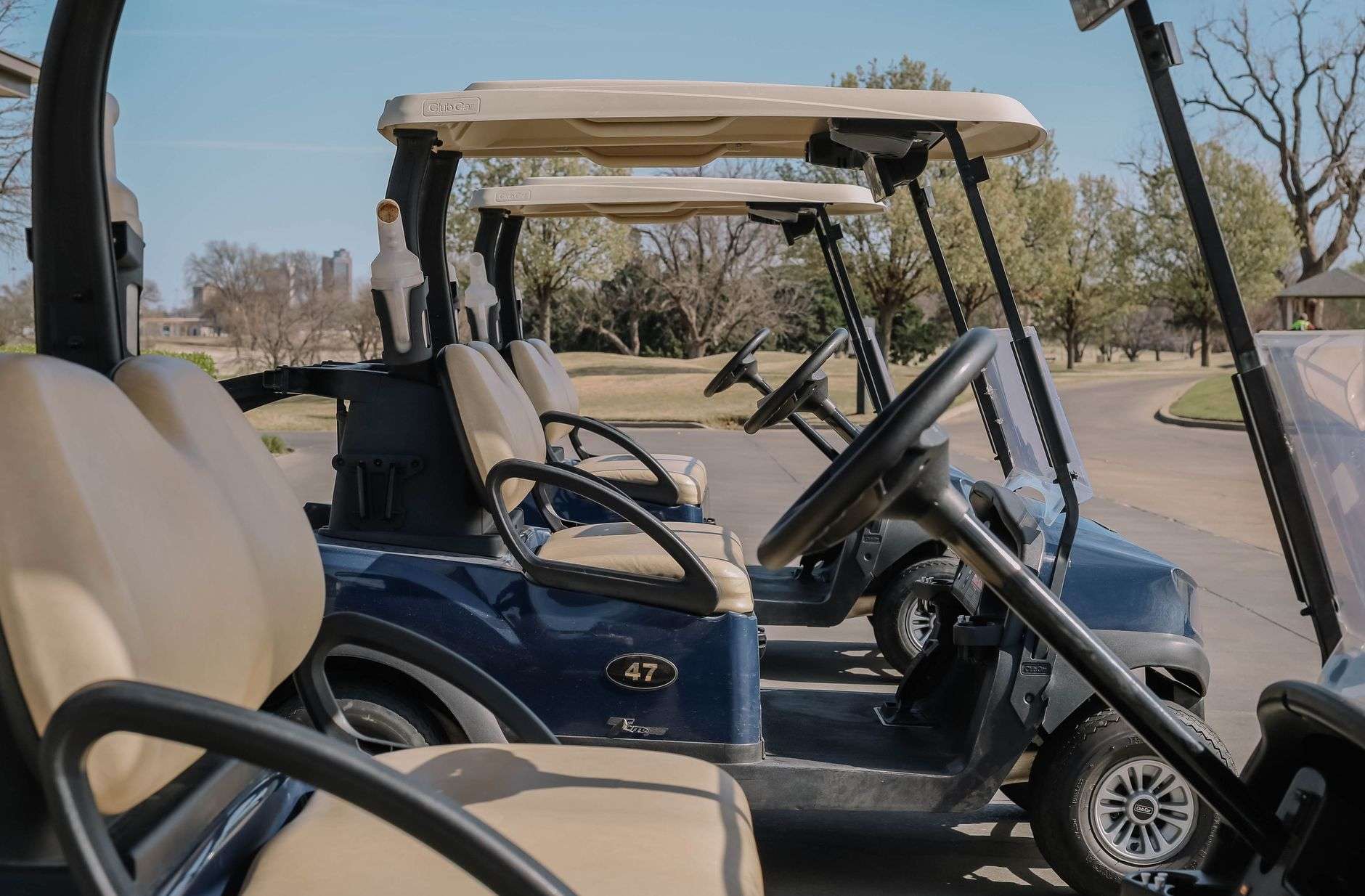
Orange Beach city leaders are moving to update local safety rules governing recreational vehicle rentals, electric bicycles and other micromobility devices as the coastal community continues to see rapid growth in tourism traffic. The Gulf Coast resort city, whose population swells each summer as visitors fill its condominiums, beaches and back bays, has watched the explosion of rental golf carts and e-bikes outpace the ordinances written for an earlier era of tourism.
The Orange Beach City Council is scheduled to take up the changes during a joint regular and work session meeting Tuesday, Aug. 4, at 5 p.m. in the Orange Beach City Hall Council Chambers. The joint format — regular business and a Committee of the Whole discussion in one sitting — allowed the council to act on the vehicle ordinances while also airing the budget and personnel items on the work session agenda.
The proposed updates target two separate but related concerns: the booming business of renting golf carts, low-speed vehicles and scooters to visitors, and the growing popularity of e-bikes and other micromobility devices on the city’s roads, sidewalks and trails. Both markets grew out of the same shift in how visitors experience the coast: families increasingly rent low-speed vehicles to cruise between condo, restaurant and beach access, while the backcountry trail system has made pedal-assist bikes the fastest way to see the city’s interior.
New standards for rental vehicles
Under the updated regulations, golf carts, low-speed vehicles and scooters offered for rent in Orange Beach would be required to meet a new set of safety standards. Rental golf carts would have to display a white flag with black block lettering identifying them as rental units, along with visible warning labels stating that the vehicles are prohibited on streets with speed limits above 25 mph and cannot be operated by unlicensed drivers.
The white flag requirement gives police a way to identify rental vehicles at a glance — and, by extension, the rental company behind each one. In a resort city where the summer traffic mix includes thousands of visitors driving vehicles they have never operated before, often on roads they do not know, the flag turns every infraction into an accountability question for the business that put the cart on the street.
Rental businesses would also be required to maintain a physical location within city limits or the city’s police jurisdiction and carry at least $1 million in general liability insurance naming the city as an additional insured. The insurance requirement ensures that when a rented golf cart injures someone, a solvent policy exists to pay the claim — and naming the city as an additional insured protects the municipality from being dragged into litigation over its role in permitting the rental industry to operate.
City officials say the changes are intended to make it easier to identify rental vehicles on the road and hold rental companies accountable for how their vehicles are used. The physical-presence requirement, meanwhile, targets the shadow side of the rental boom: operators who drop off carts for visiting customers without any local business address, leaving the city with no leverage when something goes wrong.
Speed limits and helmet rules for e-bikes
The council has also passed the second reading of an ordinance adding Article IX to Chapter 70 of the city code, establishing a new set of rules for bicycles, micromobility devices and electric motorcycles. The ordinance bars electric motorcycles from operating on sidewalks, multi-use paths and the Hugh S. Branyon Backcountry Trail, restricting them to public roadways only.
The distinction between an electric motorcycle and an e-bike matters in a city whose trail system is one of its signature amenities. The Hugh S. Branyon Backcountry Trail — the network of paths threading through the maritime forest and dunes between Orange Beach and Gulf State Park — is shared by joggers, families, birdwatchers and cyclists, and its surfaces and sight lines were built for quiet, human-scale traffic. An electric motorcycle, by weight and speed, belongs on pavement, and the ordinance draws that line in code.
E-bikes and bicycles would be subject to a 20 mph speed limit on multi-use paths and a 12 mph limit on the Backcountry Trail. Riders under age 16 would be required to wear a helmet, and all riders would need to slow to 10 mph or less when coming within 50 feet of pedestrians.
The 12-mph trail limit acknowledges what the backcountry paths are: narrow, shaded, frequented by children and wildlife, with boardwalk sections and blind curves. A pedal-assist bike at full power can exceed that comfortably, which is exactly the problem the limit addresses. The 50-foot slow-down rule imports a courtesy that has long existed informally — passing pedestrians gently — into enforceable numbers, giving both riders and walkers a common standard.
City officials have pointed to the rapid rise in e-bike use along the trail and beach-area paths as a driving factor behind the new limits. E-bikes arrived faster than the rules could follow: what began as a niche product became, within a few seasons, a standard rental item and a fixture of condo-front streets, and the city found itself regulating a mode of travel that its code had never anticipated.
Other business on the agenda
During the regular session, the council is also expected to consider a range of other items, including accepting a negotiated price of $98,342.60 from Coogan Enterprises LLC, doing business as Coogan Lawn and Landscape LLC, for exotic invasive plant species removal, native landscaping, monitoring and education for the city’s Coastal Resources Department.
The invasive-species contract reflects the quiet environmental work that sustains a coastal city’s appeal. Exotic invasives — fast-spreading plants that crowd out the native maritime vegetation — are a persistent battle along the Gulf’s barrier landscapes, and the contract pairs removal with monitoring and education so the work holds and the community knows why it matters.
Council members will also weigh awarding the bid for a new all-aluminum Coastal Resources work skiff to Roberts Welding, LLC, in the amount of $94,480, which includes additive alternates for engine installation, hydraulic steering and navigation electronics. The skiff is the department’s working platform for the bay, lagoon and backcountry waters it manages, and the aluminum build suits the corrosive saltwater environment far better than standard hulls.
Additionally on the agenda is authorization of an annual cooperative agreement not to exceed $306,000 for architectural design and engineering services tied to a First Responder Hurricane Safe Room. A safe room engineered to hurricane standards is the kind of infrastructure a Gulf Coast city builds with an eye on the next Sally — a hardened facility that lets the people who will run the emergency response stay on site through the storm.
Other items include reappointing Bill Brett to the Gulf Shores and Orange Beach Tourism Board of Directors, authorizing a participation agreement with the Municipal Workers Compensation Fund, Inc., and accepting the donation of police canine “Nox” from the Orange Beach Police K-9 Foundation.
The tourism board appointment ties the city to the joint marketing body that promotes the twin beach communities as a single destination, while the workers’ compensation fund participation is the routine-but-consequential business of insuring a municipal workforce that includes police officers, lifeguards, public works crews and the seasonal staff a resort city hires each summer. The K-9 donation reflects the role the community foundation plays in equipping the police department — a trained dog is a significant investment, and the foundation’s gift adds capability to the department without touching the city’s budget.
The council will also hold a public hearing and first reading on a zoning ordinance amendment tied to a Columbia Southern University planned unit development modification for a new freestanding sign, along with a first reading of an ordinance amending Chapter 42 regarding flood damage prevention.
Columbia Southern University, headquartered in Orange Beach, anchors a planned unit development whose sign request goes through the standard public-hearing process — the city’s mechanism for letting neighbors weigh in before a zoning change takes effect. The Chapter 42 amendment is of a different order entirely: flood damage prevention is the code layer that governs how structures are built in a city where storm surge and rising water are recurring facts, and keeping that chapter current with federal floodplain standards is what keeps residents’ flood insurance and the city’s standing in the National Flood Insurance Program intact.
During the Committee of the Whole session, the council is expected to discuss amending the employee pay plan and job listing to simplify job titles within each pay grade, as well as authorizing a use agreement with the Coastal Alabama Business Chamber to loan two city-owned ATVs for the 53rd Annual National Shrimp Festival in Gulf Shores.
The pay plan housekeeping is the unglamorous side of running a growing city government: consolidating scattered job titles into clean pay grades so that recruiting, promotion and budgeting all operate from the same map. The ATV loan, by contrast, is the friendly side of a resort city’s calendar — city equipment helping the chamber stage a festival that draws the crowds the city’s economy is built on. The Shrimp Festival, held each October at Gulf Shores’ beachfront park, is one of the coast’s signature events, and the two ATVs will spend the weekend hauling supplies and staff across a site that cars cannot reach.
Taken together, the Aug. 4 agenda sketched a city managing the consequences of its own popularity: new rules for the vehicles visitors ride, environmental and emergency infrastructure for the landscape that draws them, and the routine personnel and zoning work that keeps a fast-growing resort municipality running. The golf cart flags and e-bike speed limits were the evening’s headline items, but the rest of the docket — from a hurricane safe room to a donated police dog — showed the same instinct underneath: build the rules before the next season arrives.