ATMORE, Ala. — Atmore Isaias recovery efforts are moving into a new phase this week on two fronts. The Poarch Creek Indians and Wind Creek Hospitality have opened a public donation drive in Atmore to gather supplies for families in Alabama and Florida who are still digging out from Hurricane Isaias, and the City of Atmore will begin a staged pickup of storm debris on Monday, Oct. 19.
Together, the two announcements show a community that came through the storm in better shape than some of its neighbors and is now turning to help them, while still working through its own cleanup at home.
Donation drive opens at Wind Creek Atmore
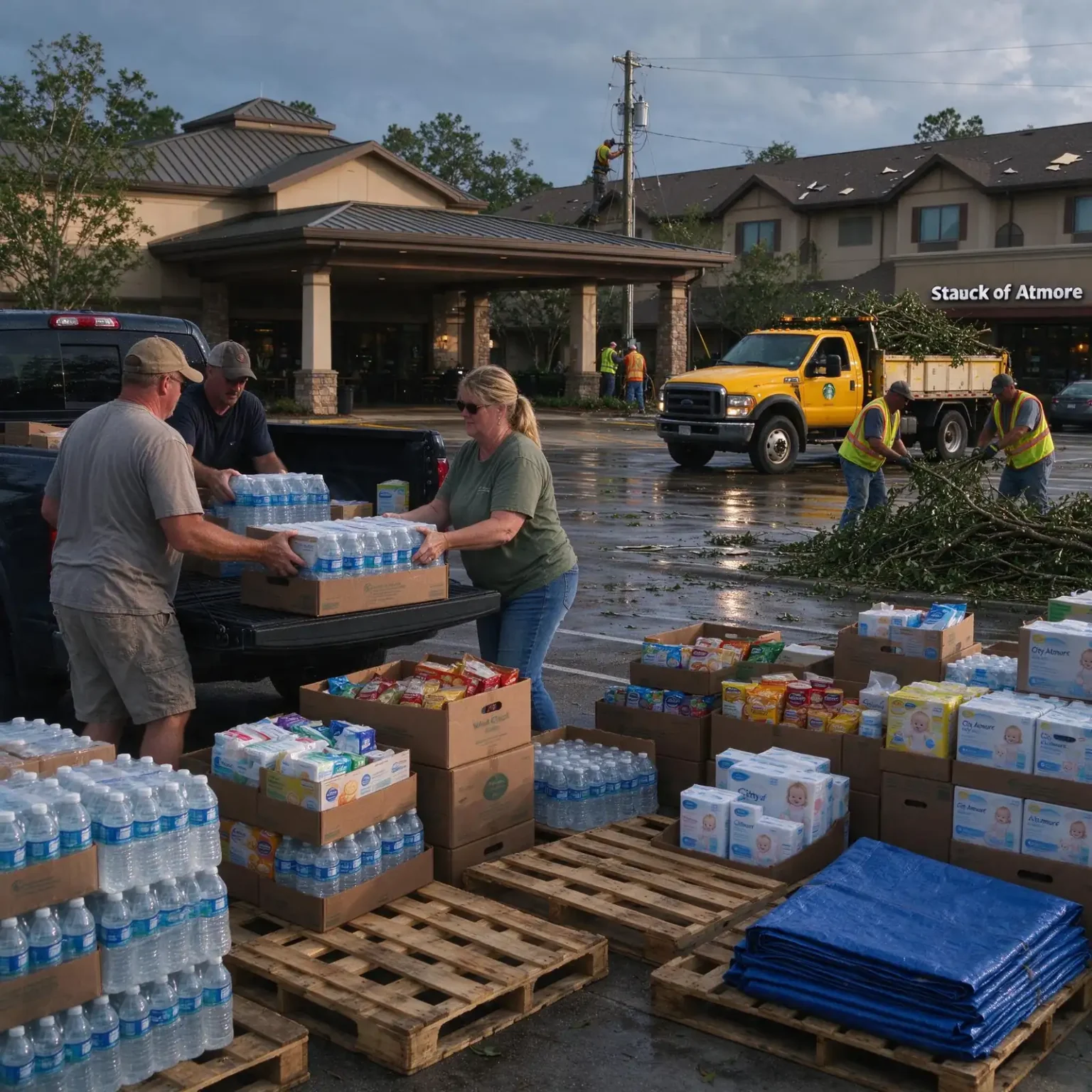
The tribe and its hospitality company have set up a temporary collection center in the east parking lot of Wind Creek Atmore, in the entertainment and Starbucks parking area at 303 Poarch Road. The site is open to the public every day from 7 a.m. to 7 p.m.
Organizers are asking for practical supplies that families need in the days and weeks after a hurricane:
- Non-perishable food
- Bottled water
- Baby supplies
- Cleaning supplies
- Personal hygiene products
- Tarps
Everything collected will be taken to storm-damaged areas in Alabama and Florida. Individuals, families and businesses are all invited to take part.
Stephanie Bryan, the tribe’s Tribal Chair and CEO, said the drive reflects the character of the town around it. “We are so blessed to live in a caring, giving community like Atmore,” Bryan said. “Hurricane Isaias has had a devastating impact on so many people’s lives and as always, folks here want to help.”
Bryan stressed that no contribution is too small. “Any size donation made to the collection center we have set up at Wind Creek Atmore will help provide essential supplies to those trying to recover from the storm,” she said. “I am so proud that our community is known for its compassion for others, and it is at times like these when the help we give can make a real difference.”
If you go:
- What: Hurricane Isaias relief supply drive
- Where: Wind Creek Atmore, East Parking Lot (entertainment and Starbucks parking area), 303 Poarch Road, Atmore, AL 36502
- When: Daily, 7 a.m. to 7 p.m.
- Who benefits: Families and communities affected by Isaias in Alabama and Florida
Why the need is so great
Isaias came ashore near Destin, Fla., on the evening of Friday, Oct. 9, as a Category 2 hurricane with maximum sustained winds of 105 mph, then raced north across Alabama overnight. Its strongest winds tore through a band of southwest and south-central Alabama well inland from the coast, toppling trees, crushing homes and knocking out power to hundreds of thousands of customers.
Atmore itself fared comparatively well. By Monday, Oct. 12, Alabama Power reported only about 250 customers in the city still without service, and Escambia County Schools Superintendent Michelle Collier said the system’s Atmore schools came through in much better shape than campuses elsewhere in the county.
Some of the places closest to Atmore were not so fortunate. Brewton, about 30 miles to the northeast, has been described as one of the hardest-hit cities in Alabama, with thousands of customers in the dark for days and a badly damaged downtown. In rural Escambia and Conecuh counties, families have waited a week or more for electricity, relying on generators to run well pumps, and some residents in the Range community have lost their homes outright.
Across the state line, the western Florida Panhandle took a heavy blow as well. Outage figures in the days after landfall showed tens of thousands of customers still without power in Escambia and Santa Rosa counties in Florida, and crews found businesses with roofs torn away in communities such as East Milton.
That combination of damaged homes, long outages and strained household budgets is why items such as tarps, cleaning supplies, baby products and bottled water remain in demand nearly a week after the storm.
Atmore starts staged debris pickup Oct. 19
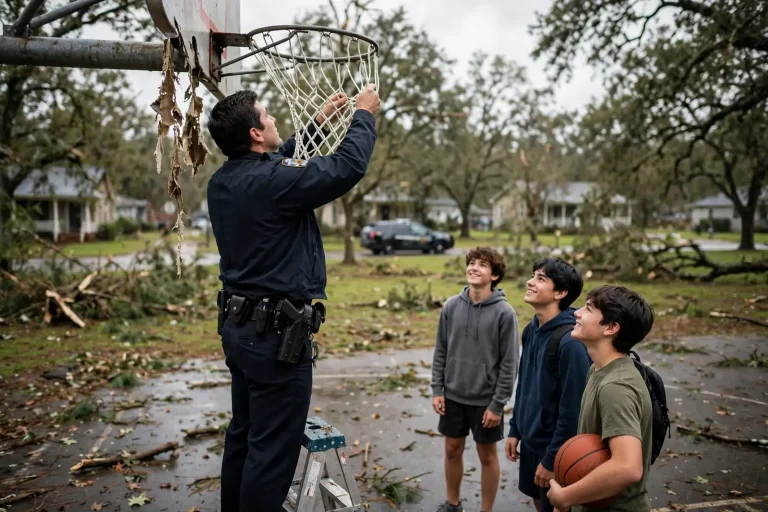
Closer to home, the City of Atmore announced it will launch the first stage of storm debris collection on Monday, Oct. 19, continuing the cleanup that began in the hours after Isaias passed.
City official Chance Thompson said in a news release that the work must be done in phases. “Due to operational limitations and collection guidelines, it is important that debris collection be completed in stages to ensure an efficient and organized cleanup process,” Thompson said.
The first stage covers vegetative debris only. “Beginning Monday, city crews will focus exclusively on collecting vegetative debris, including fallen tree limbs, branches and other storm-related vegetation,” Thompson said. “At this time, only vegetative debris will be collected. Residents are asked to keep vegetation separate from construction materials, household items and other types of debris.”
Construction materials and other storm debris will not be picked up from the right-of-way during the opening stage. Thompson said the city will continue to evaluate how and when to collect those materials as cleanup progresses.
“We understand that many residents are working hard to clean up their properties following the storm,” Thompson said. “Our city employees will also be working diligently to help restore our community, and we appreciate your patience as they work through the collection process.”
He added that following the guidelines and keeping debris properly separated will help crews move more efficiently and reach more residents.
How to prepare your debris
Separating debris is standard practice after hurricanes because different materials go to different disposal sites, and mixed piles slow crews down or may be left behind. Emergency managers generally recommend sorting storm debris into separate piles for vegetation, construction materials, appliances, electronics and household hazardous waste.
For Atmore’s first round, that means:
- Put out: Tree limbs, branches, logs and other storm-related vegetation.
- Hold back for now: Shingles, lumber, drywall, carpet, furniture, appliances and other household items, which will not be collected during stage one.
- Keep piles separate: Do not mix vegetation with construction or household debris.
- Use the right-of-way: Place vegetation at the curb, clear of the roadway, and where possible away from mailboxes, fire hydrants, utility poles and storm drains.
Residents who live along U.S. or state highways may also see crews from the Alabama Department of Transportation. ALDOT is beginning its own first round of vegetative debris removal along state-maintained roads the same day, Oct. 19, in Escambia, Conecuh, Monroe and Wilcox counties. That program covers only debris within the public right-of-way along U.S. and state highways and does not include debris on private property.
About the Poarch Creek Indians
The Poarch Band of Creek Indians is the only federally recognized Native American tribe in Alabama. Its members are descendants of Creek people who remained in the state when much of the Creek Nation was forcibly removed to Indian Territory in the 1830s. The tribe received federal recognition in 1984, after decades of advocacy by tribal leaders, and its reservation and tribal headquarters lie just outside Atmore in north Escambia County.
Wind Creek Hospitality, the tribe’s gaming and hospitality company, operates Wind Creek Atmore along with other properties in Alabama and beyond. The Atmore resort’s location just off Interstate 65 makes it an easy drop-off point for donors traveling from Mobile, Baldwin County, the Florida Panhandle and inland communities.
The tribe was also named in the federal emergency declaration President Donald Trump approved on Oct. 9, as Isaias made landfall, alongside Mobile, Baldwin and Escambia counties. That declaration authorizes the Federal Emergency Management Agency to coordinate the federal response and support emergency protective measures, though it does not by itself open individual assistance for households.
Other ways to help, and to get help
Gov. Kay Ivey has extended Alabama’s state of emergency through Oct. 28 while damage assessments continue. State emergency management teams have been working in Escambia, Conecuh, Monroe, Coffee and Houston counties, and the information they collect will help determine whether Alabama qualifies for additional federal aid.
Escambia County residents with storm damage can report it through the Escambia County EMA’s Facebook page by using the “Citizen Damage Reporter” link and uploading a description and clear photos. Residents in any affected county can also call 211 to be connected with local resources for food, water, shelter and cleanup help.
For those who want to give, dropping supplies at an established collection point such as the Wind Creek Atmore site is one of the most direct options. Anyone who prefers to give money should stick with recognized relief organizations and take a moment to check that an online appeal is legitimate before donating, since scammers often follow disasters.
For Atmore, the week ahead will look much like the week behind it: chain saws in the yards, brush piles at the curb and, a few miles up Poarch Road, a parking lot filling with water, tarps and cleaning supplies bound for neighbors who need them.