

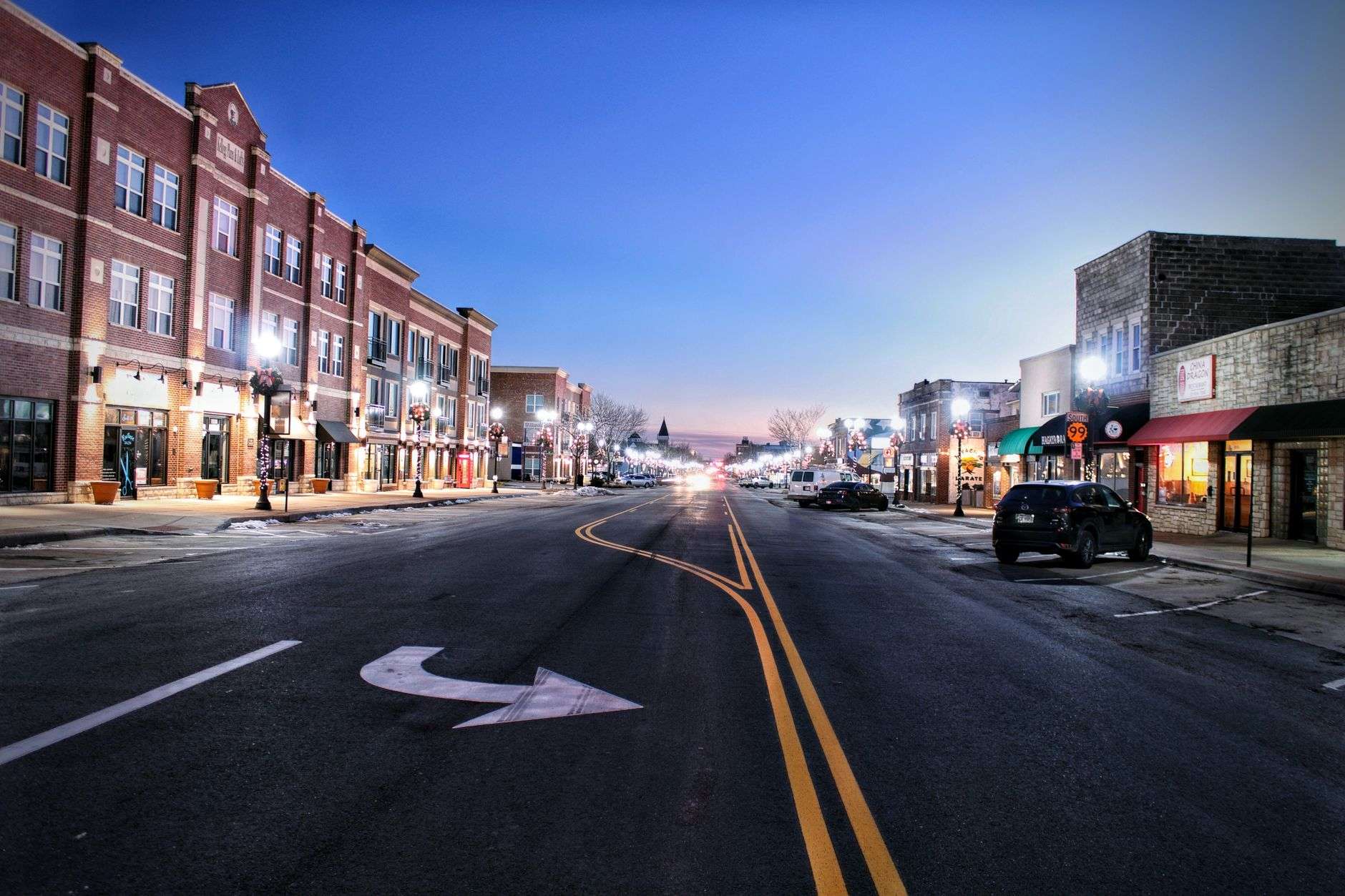
FOLEY, Ala. — State Sen. Chris Elliott had high praise for Foley Mayor Ralph Hellmich this week, telling a South Baldwin audience that Hellmich ranks among the very best municipal leaders in Alabama and crediting the mayor for planning ahead during a period of unprecedented growth.
Elliott, a Republican from Josephine, made the remarks while speaking at a South Baldwin Republican Women luncheon at The Hotel Magnolia in downtown Foley. With Hellmich in the room, the senator turned to address the mayor directly.
“I’m so proud of the mayors that we have in Baldwin County, and I’m telling you, Ralph, y’all are nailing it,” Elliott said.
‘One of the top municipal officials in this state’
Elliott has served in the Alabama Legislature since 2018. Before that, he was chairman of the Baldwin County Commission and chairman of the Eastern Shore Metropolitan Planning Organization, the regional body that helps plan and prioritize transportation projects in the fast-growing county. In his time in Montgomery, Elliott said, he has worked with local governments across the state, and he said Hellmich stands out for going above and beyond.
“You see a lot of the 464 municipalities, 67 counties, and you got all kinds of different elected officials statewide of different quality and different caliber,” Elliott said. “That’s my nice way of saying that, Mayor, you are absolutely one of the top of municipal officials in this state.”
Credit for planning ahead of growth
Much of the senator’s praise focused on how Foley has handled rapid population growth. The city’s population has grown by roughly 70% over the last decade, and managing that growth has become one of the defining challenges for Foley and other South Baldwin communities.
Elliott said Hellmich and city leaders have refused to ignore that reality.
“You are doing what you can do to slow growth. You are doing what you can do to plan for growth. You are not simply folding your arms and saying, ‘It’s not coming,'” Elliott said. “You are ahead of the curve. You are investing ahead of the curve.”
Recent decisions by the Foley City Council illustrate that approach. Earlier this month, the council adopted a fiscal year 2027 budget that funds roughly $18 million in projects, including a new Aquatic Center and Senior Center, while keeping the city’s reserves well above its self-imposed minimum. That budget followed a year in which the city completed about $38 million in major projects, including its new library and Public Works Campus.
“The goal is not simply to keep up with growth, but to prepare for it,” Hellmich said when the budget was adopted. “The decisions we make now will shape how Foley functions five, 10 and 20 years from now.”
The city has also taken steps aimed at getting its rules in place before development pressures arrive. In September, the council approved a six-month moratorium on data center applications while staff update local regulations, even though no data center had been proposed in the city. The council also approved a master plan for the city’s municipal campus to coordinate future buildings, sidewalks, lighting and streetscapes.
Infrastructure investments are also moving forward in established neighborhoods. Construction is set to begin on approximately 8,700 feet of new sidewalks and drainage improvements in the Mills Community, and the city’s road resurfacing program has grown to 6.3 miles of streets scheduled for new asphalt beginning in October.
Façade grant program draws special praise
Elliott singled out one program in particular: the Foley Façade Improvement Incentive Grant, which provides funding to help property owners enhance the exteriors of downtown buildings. The senator credited Hellmich for leading the program and making sure downtown property owners have an incentive to invest in their buildings.
“What a great answer to what are you doing to help downtown look better,” Elliott said. “We have a grant program where we’ll help you with your façade. I’m just blown away. It’s fantastic, guys.”
Foley’s downtown has drawn statewide recognition recently. Foley Main Street and the City of Foley won two Main Street Alabama Awards of Excellence this year, including a Public Space Improvements award for the East Jessamine Street project, which the city describes as the culmination of a 15-year vision to create a more walkable and connected downtown.
Façade programs like Foley’s are a common tool for downtown revitalization. By sharing the cost of improvements such as storefront repairs, paint, signage, awnings and lighting, cities aim to encourage private investment that improves the look of a business district, supports local merchants and makes downtown more inviting to residents and visitors.
A relationship between the Legislature and local government
Elliott’s remarks underscore the close working relationship between state lawmakers and the cities they represent. Many of the issues that matter most to fast-growing municipalities, such as road funding, infrastructure, local taxing authority and the regulation of development, involve decisions made in Montgomery as well as at City Hall.
As a former county commission chairman and regional transportation planner, Elliott has frequently focused on infrastructure issues affecting Baldwin County. Most recently, he has drafted legislation that would create a state tax credit to reimburse Alabama residents and businesses for tolls on the planned Mobile River Bridge and Bayway, an effort aimed at easing the cost for commuters who cross the bay every day.
Elliott on the November ballot
Elliott is running for re-election to the Alabama Senate. He faces Democratic nominee Janet Appleby in the general election on Tuesday, Nov. 3.
Voters who want to confirm their registration, find their polling place or review a sample ballot can visit the Alabama Secretary of State’s website or contact the Baldwin County Board of Registrars.