

MOBILE, Ala. — As heavy construction on the long-awaited Interstate 10 Mobile River Bridge and Bayway Project draws closer, the City of Mobile is taking steps to make sure some of its most treasured historic buildings are not shaken by the work.
District 4 City Councilman Ben Reynolds shared in his recent newsletter that the Mobile City Council, at its Sept. 15 meeting, approved an agreement allowing the Alabama Department of Transportation to place temporary vibration monitoring equipment at three city properties near the project area: Old City Hall, the Phoenix Fire Museum, and a designated location near the Wallace Tunnel.
“The I-10 Mobile River Bridge and Bayway Project is moving closer to construction, and with that comes the need to protect the historic properties and infrastructure around the project area,” Reynolds wrote.
The agreement at a glance
- Approved: Mobile City Council meeting, Sept. 15, 2026
- Parties: City of Mobile and the Alabama Department of Transportation (ALDOT)
- What: Temporary, non-intrusive vibration monitoring equipment on city property
- Locations: Old City Hall, the Phoenix Fire Museum and a designated location near the Wallace Tunnel
- Monitoring begins: Oct. 1, 2026
- Equipment removed: No later than Oct. 1, 2031
How the monitors work
According to Reynolds, the monitors are small and non-intrusive. They will measure vibration levels during construction and help ensure nearby buildings, particularly historic properties, are protected.
Vibration monitoring is a common practice on large construction projects, especially in older urban areas. Activities such as pile driving, demolition, excavation and the movement of heavy equipment can send vibrations through the ground. Modern buildings are generally designed to withstand those forces, but older structures built of brick, stone and plaster can be more vulnerable to cracking and other damage.
Monitoring devices, often called seismographs or vibration monitors, record how much the ground and nearby structures move during construction. Engineers compare those readings to thresholds designed to protect buildings. If vibration levels approach those limits, contractors can adjust their methods, change equipment or modify schedules to reduce the impact. The data also creates a record that can help determine whether any damage that occurs is related to construction activity.
Monitoring is scheduled to begin Oct. 1, 2026, and the equipment will be removed no later than Oct. 1, 2031, a timeline that reflects the multi-year scope of the project.
Why these three sites
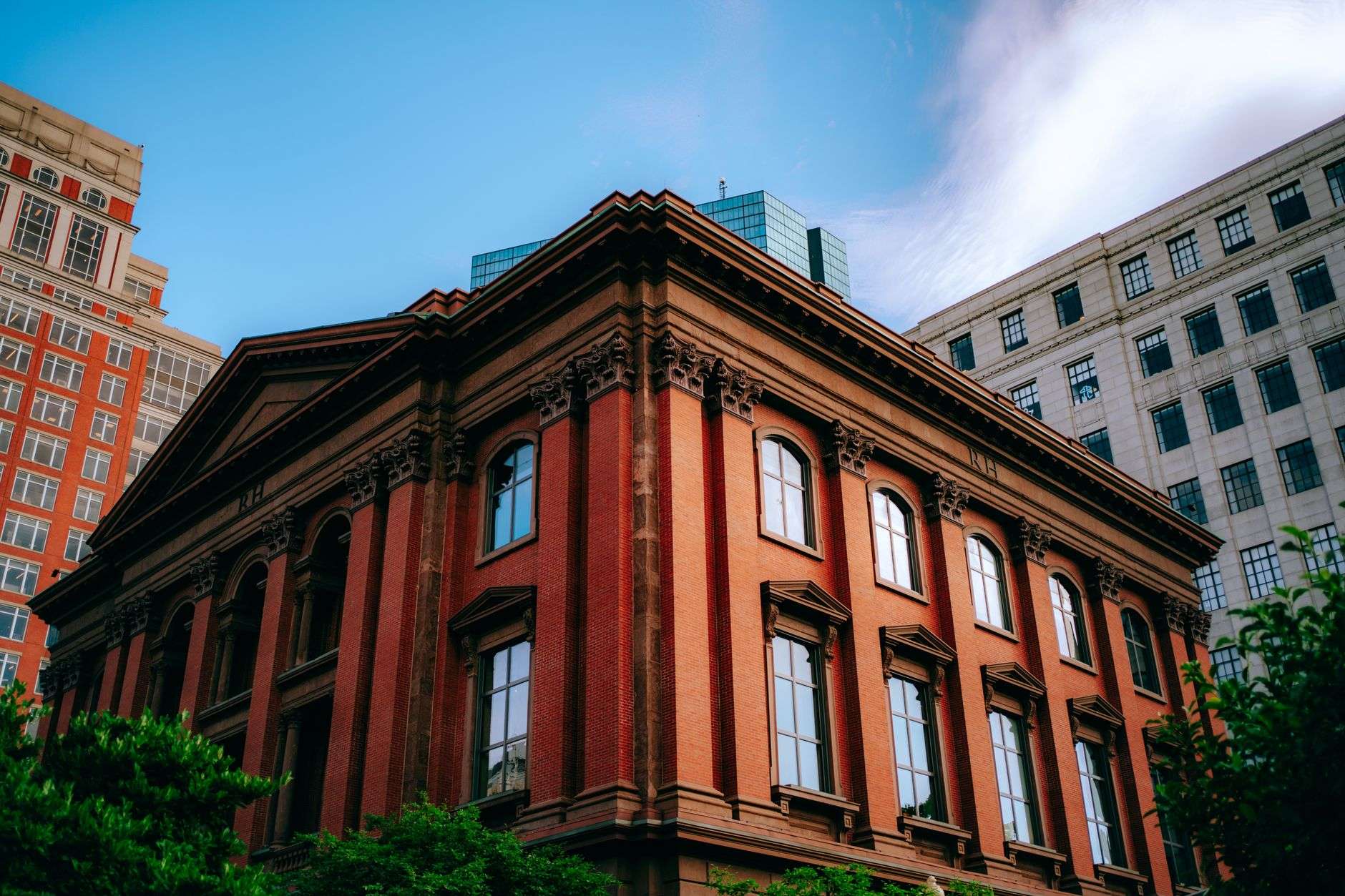
Old City Hall. One of downtown Mobile’s most recognizable landmarks, Old City Hall dates to the 1850s and once combined municipal offices with a public market. Today, the historic building on South Royal Street is home to the History Museum of Mobile, which houses collections that tell the story of the city’s more than 300-year history. Its location near the Mobile River waterfront places it close to the area affected by the interstate project.
The Phoenix Fire Museum. Housed in a historic 19th-century firehouse built for one of Mobile’s early volunteer fire companies, the Phoenix Fire Museum preserves the history of firefighting in the city, including antique equipment and memorabilia. Like Old City Hall, it is a historic masonry building in the downtown area where protecting against vibration is a priority.
Near the Wallace Tunnel. The George C. Wallace Tunnel carries Interstate 10 beneath the Mobile River between downtown Mobile and the causeway. The tunnel is one of the most important pieces of transportation infrastructure in the region, and the new bridge is designed in large part to relieve the traffic congestion that builds up at its entrance. Monitoring near the tunnel will help keep watch over infrastructure close to where major construction will occur.
A major project moves toward construction
The I-10 Mobile River Bridge and Bayway Project is the largest transportation project in the region’s history. It includes a new bridge over the Mobile River and a new, wider Bayway across Mobile Bay, and is designed to ease the chronic bottlenecks at the Wallace Tunnel and on the existing Bayway.
After decades of planning and debate, the project reached key milestones this month. Alabama sold bonds to finance the project, and a federal loan of about $2.52 billion closed the remaining financing gap. For more on those developments, see our coverage of the bond sale and the federal loan. Construction is expected to begin soon.
The project also remains a subject of public debate, especially over tolls. ALDOT has confirmed that tolls will rise automatically each year, and state lawmakers are exploring ways to offset the cost for local drivers. Plans for downtown access are also evolving, including a proposal that could see the Water Street ramps come down.
Protecting what makes Mobile unique
Reynolds said the monitoring agreement is an important part of preparing for construction.
“This is an important step as we prepare for a major transportation project that will have a lasting impact on Mobile and the region,” he wrote. “Moving forward also means making sure we are protecting the historic assets and infrastructure that make our city unique.”
Downtown Mobile is home to one of the most significant concentrations of historic architecture on the Gulf Coast, with buildings reflecting the city’s French, Spanish, British and American eras. Many of those buildings are more than a century old and were built long before anyone imagined an interstate highway or a new bridge rising over the river nearby.
Protecting those buildings during construction serves several purposes. Historic landmarks draw visitors, support downtown businesses and help define the city’s identity. Damage to them could be costly to repair and, in some cases, impossible to fully undo. Monitoring also provides transparency, giving city officials and the public a way to see whether construction is staying within safe limits.
What residents can expect
For most residents and visitors, the monitors should be barely noticeable. Reynolds described them as small and non-intrusive, and they are intended to operate in the background while museums and other city facilities continue their normal operations.
As construction ramps up, residents can expect to hear more about traffic changes, work zones and schedules from ALDOT and city officials. The monitoring program is one of many behind-the-scenes measures designed to reduce the project’s impact on the surrounding community.
About Councilman Reynolds
Ben Reynolds represents District 4 on the Mobile City Council and regularly updates constituents through his newsletter on council actions, infrastructure projects and neighborhood issues. In sharing news of the monitoring agreement, he emphasized that preparing for the bridge project is not only about building new infrastructure, but also about taking care of the historic places that give Mobile its character.
With monitoring set to begin Oct. 1, the city’s historic landmarks will have a watchful eye on them as one of the most significant construction projects in Mobile’s history gets underway.