

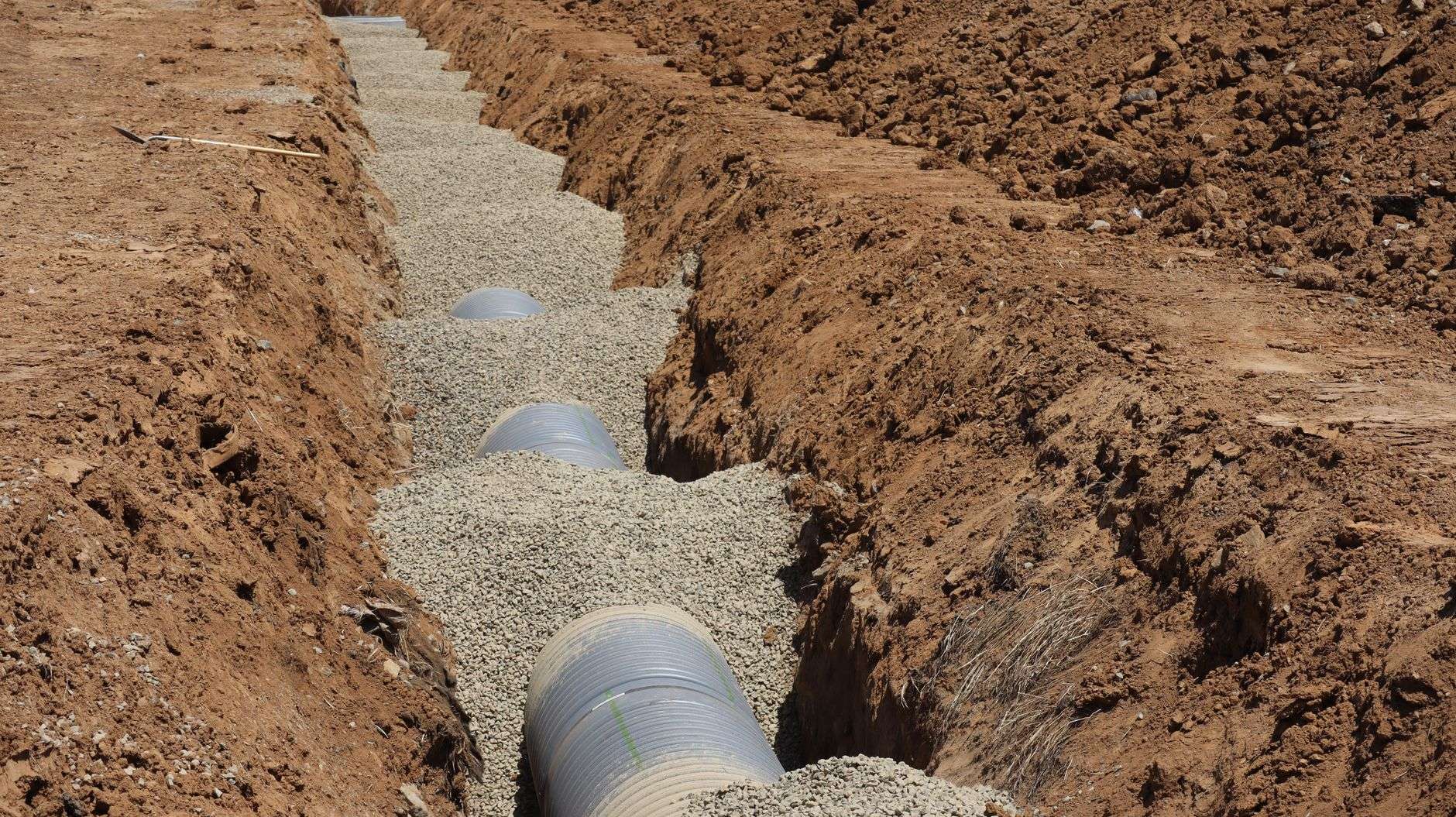
FAIRHOPE, Ala. — The Fairhope Fish River water project is moving ahead: the city will build a new water main loop east of the river with the help of $2 million in federal hurricane recovery money, a project city leaders say will give the Fairhope water system a second line of supply when emergencies or maintenance knock part of it offline.
The Baldwin County Commission approved a $2 million partner contract with the city for the Fish River Water Expansion Project through the county’s Community Development Block Grant-Disaster Recovery Local Government Recovery Infrastructure Program, known as CDBG-DR/LGRIP. The project calls for construction of a new 12-inch water main loop east of Fish River.
The project is estimated to cost about $2.9 million. The grant covers $2 million, and the City of Fairhope will pay the remaining cost, roughly $900,000.
A second path for the water supply
The heart of the project is redundancy. By looping a new line east of Fish River, the city will create an alternate feed into its water system. Baldwin County’s project description specifically identifies the loop, the alternate feed and larger piping as elements of the work.
In practical terms, a loop gives water more than one route to reach customers. When a single main serves an area and that line breaks or must be shut down for repairs, customers downstream can lose service until the work is done. With a looped system, utility crews can isolate a damaged or out-of-service section and continue feeding customers from the other direction. Larger piping can also improve the system’s capacity to move water where it is needed.
That flexibility is what city officials are after. The new line will give Fairhope Public Utilities more options for keeping water flowing during emergencies, such as storms or main breaks, and during planned maintenance.
“This project is about building more reliability into our water system,” Mayor Sherry Sullivan said. “Creating another connection gives our Water Department more flexibility when maintenance or unexpected issues occur, while also strengthening the system for the future. We are extremely grateful to the Baldwin County Commission, ADECA and everyone who helped make this funding possible.”
Sullivan also thanked county leaders for their partnership.
“The City appreciates the Baldwin County Commission for recognizing the importance of this project and working with us to invest in infrastructure that will serve our community for years to come,” she said.
Sullivan highlighted the grant during the Fairhope City Council’s regular meeting, noting the project’s role in strengthening the city’s water service.
Where the money comes from
The funding traces back to two hurricanes that struck coastal Alabama within weeks of each other in 2020. Hurricane Sally made landfall near Gulf Shores on Sept. 16, 2020, as a Category 2 storm, stalling over the region and dumping torrential rain across Baldwin County. Hurricane Zeta followed on Oct. 28, 2020, bringing another round of damaging wind to the area.
After those storms, the U.S. Department of Housing and Urban Development made Community Development Block Grant-Disaster Recovery money available to Alabama for long-term recovery. The Alabama Department of Economic and Community Affairs, or ADECA, administers the program at the state level. Baldwin County received a separate allocation of $43.36 million to support its own recovery and developed a Local Recovery Plan to guide how the money is spent.
The county set aside $13.36 million of that allocation for the Local Government Recovery Infrastructure Program, which funds water, sewer, drainage, road and other public infrastructure projects led by municipalities, utilities and other eligible local entities. The recovery plan also addresses housing and other needs.
One of 10 projects across Baldwin County
Fairhope’s project was among 10 infrastructure awards the County Commission announced Sept. 14, totaling just over $12.1 million, as previously reported. Fairhope and Bay Minette received the largest awards, at $2 million each.
The full list of awards:
- City of Fairhope, water expansion on Fish River: $2,000,000
- City of Bay Minette, disaster recovery project: $2,000,000
- City of Daphne, Randall Avenue drainage improvements: $1,581,883
- East Central Baldwin Water Authority, water line installation on Woerner Road, Foley Beach Express and Kings Landing Road: $1,235,000
- North Baldwin Utilities, Westside wastewater treatment plant emergency storage pond restoration: $1,000,000
- City of Orange Beach, Jubilee Point Road elevation: $950,000
- Town of Magnolia Springs, drainage improvements: $949,537.98
- Town of Loxley, sewer rehabilitation for the Holley Street lift station area: $809,000
- Perdido Bay Water, Sewer & Fire District, operations and maintenance facility: $800,000
- City of Robertsdale, sewer and drainage rehabilitation: $800,000
When the awards were announced, Commission Chairman Jeb Ball said the investments would strengthen the infrastructure communities rely on every day and during severe weather.
“Working with our municipalities and utility partners, we are thrilled to be investing disaster recovery funds in projects that will make Baldwin County more resilient and better prepared for future storms,” Ball said.
About Fish River and Fairhope’s utility system
Fish River runs south through central Baldwin County to Weeks Bay, an arm of Mobile Bay, east of Fairhope’s city center. Development has spread steadily across the Eastern Shore and into the areas east of Fairhope in recent years, adding demand on local water systems.
Fairhope owns and operates its own utilities. Fairhope Public Utilities provides water and sewer service along with natural gas and electricity, and the city’s Water Department is responsible for the supply, treatment and distribution network the new loop will reinforce.
City officials describe the Fish River Water Main Expansion Project as part of Fairhope’s continued investment in reliability and system resiliency for current and future customers. A construction timeline was not included in the announcement.
Why redundancy matters on the coast
For Gulf Coast communities, the value of a resilient water system becomes clear during and after hurricanes. Storms can topple trees onto lines, cause power outages that affect pumps and wells, and damage pipes and other facilities. Utilities with multiple ways to route water can often keep more customers in service, restore service faster and carry out repairs without shutting down large areas.
The same principle applies on ordinary days. Water mains age, and planned replacements or tie-ins sometimes require sections of line to be taken out of service. An alternate feed means crews can do that work with less disruption to homes and businesses.
With the county’s contract approved and the city’s share committed, the Fish River loop moves Fairhope a step closer to that kind of built-in backup — paid for largely with money set aside to help Baldwin County recover from storms that struck six years ago.