

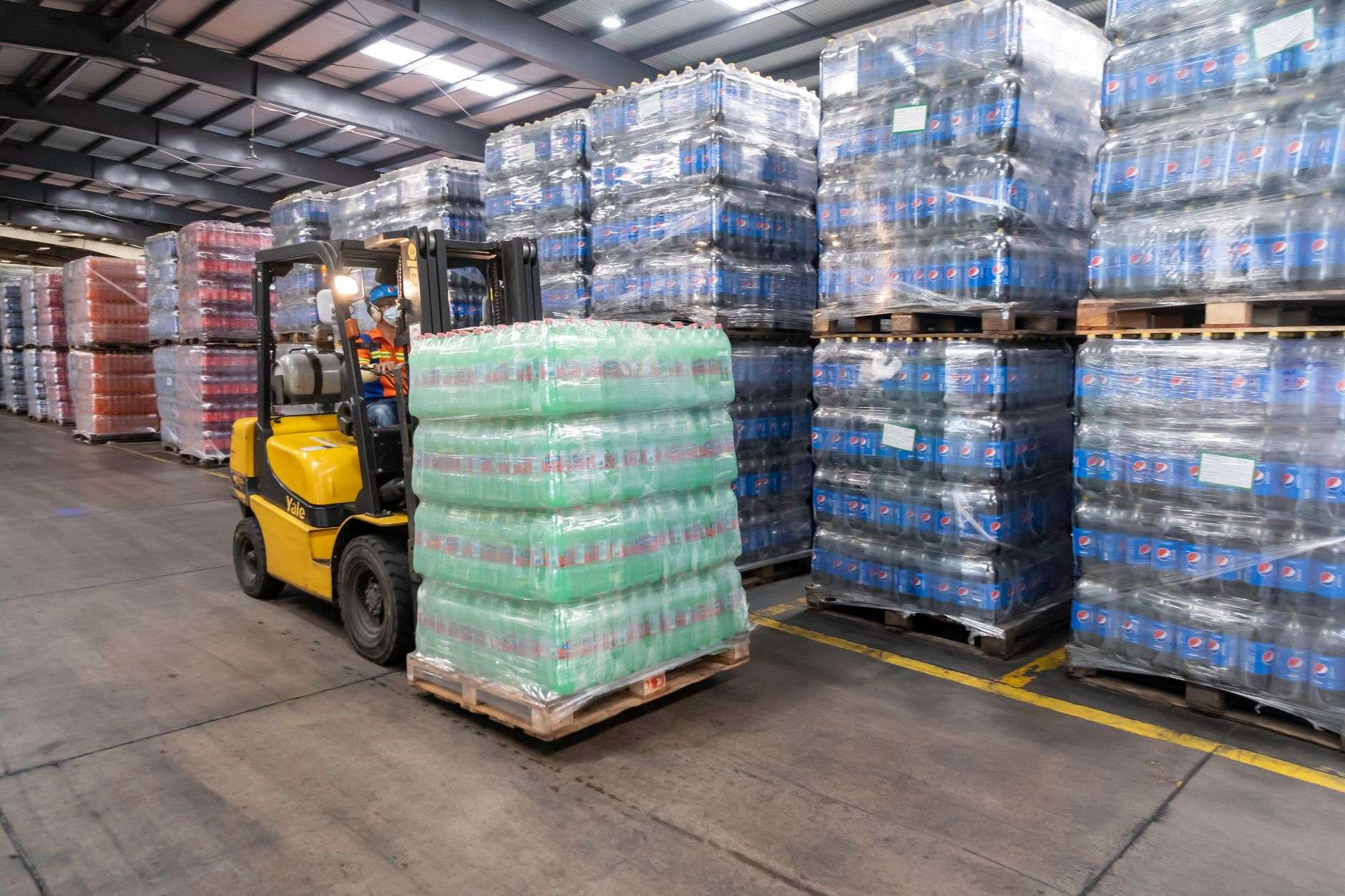
Gulf Distributing, one of the Alabama Gulf Coast’s longtime beverage distribution companies, has expanded its leadership ranks with two new hires aimed at sharpening its spirits business and modernizing its operations across the region. Ryan McDonald has joined the company in the newly created role of director of spirits division, while Josh Smith has come aboard as director of strategic operations. The additions reflect a broader push by the company to invest in specialized leadership as it continues to grow its footprint serving retailers, restaurants and bars throughout South Alabama.
Beverage distributors like Gulf Distributing serve as the critical link between suppliers, such as breweries, wineries and spirits producers, and the local businesses that ultimately put those products on shelves and behind the bar. As consumer tastes shift and the craft spirits category continues to expand nationally, distributors are increasingly building out dedicated teams to manage those product lines with the same focus historically reserved for beer and wine.
New Director to Lead Spirits Growth
McDonald steps into the newly established director of spirits division position with a resume that spans both sides of the beverage alcohol business. He most recently served as portfolio manager for Alabama and Mississippi at Republic National Distributing Co., one of the nation’s largest wine and spirits distributors, giving him a close view of how supplier relationships and brand portfolios are managed across a multi-state territory. Earlier in his career, he worked on the supplier side with White Rock Distilleries and Western Spirits, experience that gives him insight into how spirits brands are built and marketed before they ever reach a distributor’s warehouse.
In his new role, McDonald will oversee the continued development of Gulf Distributing’s spirits division, a part of the business the company has signaled it wants to grow. His responsibilities will include strengthening relationships with supplier partners and identifying opportunities to expand the division’s reach across the company’s operating territory along the Gulf Coast.
Operations Hire Brings Decades of Industry Experience
Joining alongside McDonald is Josh Smith, who takes on the role of director of strategic operations. Smith brings more than three decades of leadership experience in beverage distribution, along with a background in warehouse transformation and large-scale infrastructure projects. His career has included stops with Silver Eagle Distributors and SED Holdings, both established names in beverage distribution, as well as Cirrus Tech. Smith also spent more than ten years leading complex infrastructure projects across the Middle East and North Africa, experience the company says will inform how he approaches process improvement on a larger scale.
At Gulf Distributing, Smith will work across the company’s territory to evaluate existing systems, develop standard operating procedures and put industry best practices into place. That kind of operational review often touches everything from warehouse layout and inventory handling to delivery logistics, all areas that directly affect how efficiently products move from the distributor’s shelves to local store shelves and bar taps.
Part of a Broader Leadership Push
The hires of McDonald and Smith follow closely on the heels of another notable addition to Gulf Distributing’s leadership team: Cameron Koorangi’s return to the company as its first-ever director of enterprise solutions. Taken together, the moves suggest a company actively building out specialized leadership positions that did not previously exist within its organizational structure, a sign of the company’s efforts to professionalize and scale its operations as it competes in a beverage distribution market that continues to grow more complex.
For the restaurants, bars, package stores and grocers across South Alabama that rely on Gulf Distributing to keep their shelves and taps stocked, the changes are likely to be felt behind the scenes rather than at the counter. But investments in dedicated spirits leadership and operational strategy often translate into more responsive service, broader product selection and smoother logistics for the local business customers who depend on distributors to keep their supply chains running.
Gulf Distributing has not announced additional leadership changes beyond these three roles, though the recent string of hires points to a company in the midst of a deliberate effort to build out its executive bench as it looks toward continued growth along the Gulf Coast.
For South Alabama’s hospitality and retail industries, the addition of new leadership at Gulf Distributing matters more than a typical corporate announcement. Beverage distribution is the layer between large national and international suppliers and the thousands of independent bars, restaurants, package stores, and grocery chains that make up the Gulf Coast’s tourism and dining economy. When a major distributor strengthens its leadership, those downstream businesses tend to see the effects in the form of broader product selection, more knowledgeable sales staff, and more reliable delivery schedules during the busy spring and summer seasons.
Beverage alcohol distribution in Alabama operates under a three-tier system established by state law after the end of national Prohibition. The system separates producers, distributors, and retailers, with licensed distributors serving as the mandatory middle tier between suppliers and the businesses that sell to the public. Gulf Distributing, like other large Alabama wholesalers, holds the licenses that allow it to buy from breweries, wineries, and distilleries and then sell to licensed retailers across its territory. The system has been in place for roughly a century and is one of the structural features of how the alcohol business operates in every state, although the specific rules — what counts as a “retailer,” how territories are assigned, what products can be sold where — vary significantly from state to state.
Craft spirits have been one of the fastest-growing categories in the broader U.S. beverage alcohol market over the past two decades. After decades in which American consumers gravitated toward a relatively small number of well-known spirit brands, the explosion of small distilleries in cities and rural communities across the country has fundamentally changed how distributors think about their portfolios. Spirits like bourbon, rye whiskey, gin, rum, and vodka are now produced by thousands of small and mid-sized producers, and consumers have become increasingly interested in learning where a spirit was made, what makes it distinct, and what food or cocktail applications it might suit. For a distributor operating on the Gulf Coast, that means building relationships with a much larger and more diverse set of suppliers than was typical in the past.
Republic National Distributing Co., where McDonald most recently worked, is one of the largest wine and spirits distributors in the country, formed in 2006 by the merger of Republic Beverage and National Distributing Co. The company operates across a wide footprint of states, including a substantial presence throughout the Southeast. Working at a company of that scale, in a role that covered both Alabama and Mississippi, gave McDonald a view of how large multi-state distributors manage supplier relationships, brand portfolios, and the constant logistical challenges of moving a wide range of products to thousands of retail customers.
Smith’s background in warehouse transformation and large-scale infrastructure projects is similarly relevant to the moment. Beverage distribution is a logistics-intensive business in which warehouse layout, inventory management, delivery routing, and equipment maintenance all directly affect how quickly a case of beer or a bottle of bourbon can make it from a supplier’s truck to a bar on a busy Saturday night. Companies like Silver Eagle Distributors, where Smith previously worked, are known across the industry for the operational rigor of their warehouse and delivery operations, and large infrastructure work in regions like the Middle East and North Africa brings additional perspective on how complex systems can be designed and managed in difficult environments.
The broader industry trend that Gulf Distributing’s recent leadership hires reflect is a move toward specialization. Where distributors once managed spirits, wine, and beer through a single sales force that handled the entire portfolio, the largest distributors in the country have increasingly built out dedicated teams for the more complex categories. Spirits in particular often require more technical knowledge than beer or wine, given the range of categories, the rapid growth of cocktail culture, and the long lead times associated with aged products like bourbon and rye. A dedicated director for spirits signals to suppliers and to retail customers that the distributor is investing in the kind of expertise the category demands.
The local economic context for these changes is significant. Baldwin County’s tourism and hospitality economy depends heavily on restaurants, bars, and entertainment venues that rely on distributors like Gulf Distributing to keep their operations running. The annual spring and summer tourism season on the Gulf Coast puts sustained pressure on the supply chain, and any disruption at the distributor level can have ripple effects across hundreds of businesses. The kind of investment in leadership and operational excellence that Gulf Distributing is making is, in effect, an investment in the resilience of the regional supply chain that supports the local tourism economy.
For the wider beverage alcohol industry, the trend toward distributor specialization has also reshaped the way brands are built. Where smaller craft distilleries once struggled to find distribution because they could not meet the volume requirements of a major distributor, the rise of specialized teams has made it more feasible for distributors to take on a long tail of smaller brands alongside the major suppliers. That has been good for the producers, who gain access to a wider range of retail customers, and it has been good for consumers, who now have access to a much broader range of spirits than they did even ten years ago. The new director at Gulf Distributing is joining an industry in the middle of that transition, and the experience he brings from his time at Republic National Distributing Co. and on the supplier side with White Rock Distilleries and Western Spirits gives him a useful perspective on both sides of the producer-distributor relationship.
The broader Gulf Coast economy has also been growing in ways that matter for beverage distribution. Population growth in Baldwin County, the continued expansion of the tourism market in Gulf Shores and Orange Beach, the steady stream of new restaurants and entertainment venues in downtown Mobile, and the recent growth of large-scale events along the bay have all increased the demand for both alcoholic and non-alcoholic beverages. Distributors who can keep up with that demand, while also managing the complex regulatory environment in which they operate, are positioned to benefit from continued growth in the years ahead.