

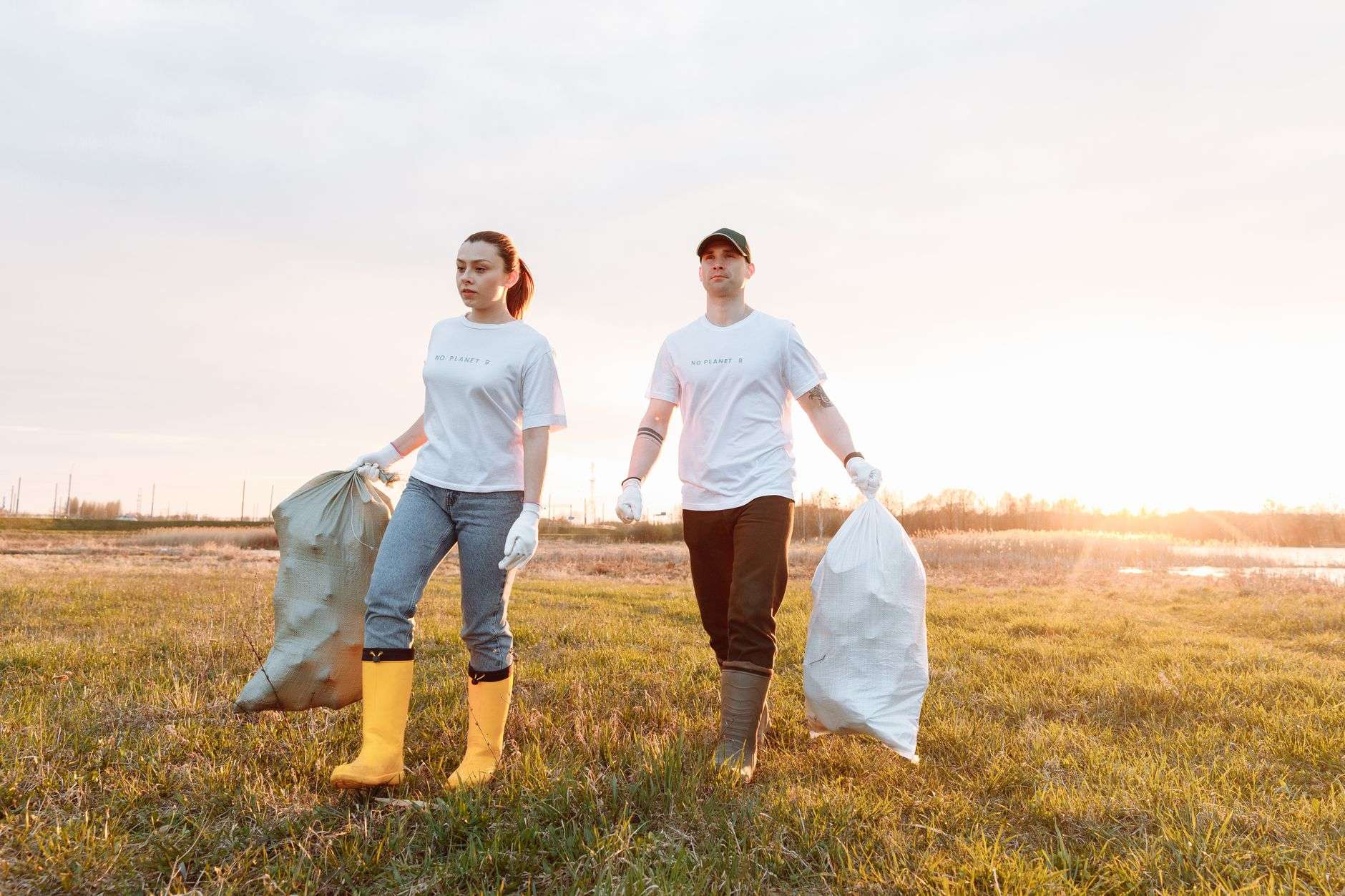
MOBILE, Ala. — Mobile residents with ideas for cleaning up a vacant lot, brightening a neglected corner or reclaiming a public space will soon have a new partner at City Hall. Mayor Spiro Cheriogotis announced Tuesday that the city has been selected for Love Your Block, a national program run by the Bloomberg Center for Public Innovation at Johns Hopkins University that funds resident-led neighborhood projects.
Mobile is one of 25 local governments from 20 states chosen for the program’s newest group. The city will receive $70,000 to engage residents in efforts that clear vacant lots, reclaim public space and improve neighborhoods, along with expert support from the Bloomberg Center and a dedicated Love Your Block Fellow to help run the work.
“I am very excited to get an opportunity to help residents in communities all over Mobile improve their neighborhoods and the city as a whole,” Cheriogotis said. “With the help of the Bloomberg Center for Public Innovation at Johns Hopkins University, we can help empower citizens to make a difference and bring about positive change.”
What Mobile receives
- Funding: $70,000 to support resident-led neighborhood projects
- Staff support: A dedicated Love Your Block Fellow assigned to help the city carry out the program
- Technical help: Expert guidance from the Bloomberg Center for Public Innovation at Johns Hopkins University
- Network: Membership in a national group of cities working on the same kind of resident-driven projects
How Love Your Block works
Love Your Block is built on a simple idea: the people who live on a block often know best what it needs. Rather than having city departments decide on every improvement, participating cities invite residents to propose and carry out small-scale projects, then back them with money, materials, city services and staff support.
Typical projects include neighborhood cleanups, turning vacant or overgrown lots into usable green space, removing graffiti, installing public art and murals, and sprucing up medians, corners and other shared spaces. In many participating cities, residents apply for small grants to fund their projects, and a city staff member or fellow helps connect them with the departments and resources they need.
The program’s organizers say the approach does two things at once. It produces visible improvements in neighborhoods, and it builds working relationships between residents and local government.
“Residents often have the clearest view of what their neighborhoods need — and Love Your Block helps mayors and municipalities bring them into the work — and see those ideas through,” said Francisca M. Rojas, Ph.D., executive director of the Bloomberg Center for Public Innovation at Johns Hopkins. “That translates to tangible improvements communities want — and that they lead — with their city hall’s support, and shows what happens when local government invites the public in to solve problems and deliver, together.”
A track record since 2009
Since its founding in 2009, Love Your Block has worked with 50 local governments in 33 states. According to the Bloomberg Center, those cities have engaged more than 88,000 residents who have:
- Removed more than 7 million pounds of trash
- Cleaned more than 550,000 square feet of graffiti
- Created nearly 800 art displays
- Transformed parks, lots and other public spaces residents rely on
The program’s organizers also point to research on its effects beyond the physical improvements. A 2021 study by the Urban Institute found that Love Your Block cities improved social cohesion among residents, increased civic participation and strengthened relationships between local government and the people it serves.
Mobile’s plans
When city administrators briefed the Mobile City Council in June on their plans to apply, they described using the program to seed small neighborhood projects such as cleanups and median improvements, with awards that could go directly to residents or community groups rather than only to nonprofits. They said an initial pilot would focus on Africatown and the Tomaville community, and that a community committee would help prioritize funding decisions.
The city has not yet announced how residents can apply, which neighborhoods will be included in the first round, or when its Love Your Block Fellow will begin work. Those details are expected as the program gets underway.
Mobile joins cities across the country
The other local governments selected for the new group are:
- Albuquerque, N.M.
- Aurora, Ill.
- Birmingham
- Chattanooga, Tenn.
- Columbia, S.C.
- Deerfield Beach, Fla.
- Dubuque, Iowa
- Eugene, Ore.
- Everett, Wash.
- Frederick, Md.
- Greensboro, N.C.
- Harlingen, Texas
- Hoboken, N.J.
- Honolulu
- Jersey City, N.J.
- La Crosse, Wis.
- Lancaster, Pa.
- Lansing, Mich.
- Macon, Ga.
- Newark, N.J.
- South Fulton, Ga.
- Tulsa, Okla.
- Wilmington, Del.
- Winston-Salem, N.C.
Mobile and Birmingham are the two Alabama cities in the group. Several other Southern cities, including Chattanooga, Columbia, Macon and South Fulton, were also selected.
About the Bloomberg Center for Public Innovation
The Bloomberg Center for Public Innovation is part of Johns Hopkins University. It works with local governments to help them solve problems, improve services and involve residents in public decisions. Love Your Block is one of its programs for cities, pairing funding with expert support and a network of peer cities that can share what has worked.
Why neighborhood projects matter
Vacant lots, illegal dumping, litter and graffiti are persistent problems in many American cities, including Mobile. They can depress property values, attract more dumping and signal to residents that no one is paying attention. Cleaning them up is often labor-intensive work that city crews alone struggle to keep up with.
Programs like Love Your Block aim to multiply the city’s reach by tapping residents who are already willing to organize a cleanup day, plant a garden or paint a mural, but who may lack the money, tools, permits or connections to make it happen. When residents lead the work, supporters argue, the improvements are more likely to reflect what neighbors actually want and more likely to be maintained afterward.
For city governments, the program also offers a way to build trust. Residents who work alongside city staff on a project on their own block often come away with a better understanding of how City Hall works and whom to call when problems arise.
A focus for the new administration
Cheriogotis took office in November 2025, succeeding three-term Mayor Sandy Stimpson. His administration has said its top priorities include improving public safety, supporting growth and development, enhancing city services and elevating residents’ quality of life. The Love Your Block selection fits into the last two of those goals, putting a modest pool of money and dedicated staff time behind block-level improvements.
What residents can do now
- Start thinking locally: Identify a vacant lot, corner, median or public space on your block that could use attention, and talk with neighbors about what might be done.
- Connect with neighborhood groups: Neighborhood associations, churches and community organizations are natural partners for resident-led projects.
- Contact your council member: District council members can pass along ideas and help residents stay informed as the city announces how the program will work.
- Watch for announcements: The city is expected to share details on applications, timelines and eligible projects as its Love Your Block effort launches.